Progress Learning & Student Success: A Complete Guide to Monitoring, Mastery, and Effective K-12 Instruction
In today’s digital learning environment, traditional classroom methods alone are no longer enough. Students need engaging, personalized, and tech enabled tools to stay motivated and achieve academic success. That’s why more U.S. schools are turning to Progress Learning, a leading K–12 online educational platform that helps bridge the gap between curriculum standards and real student progress.
Progress Learning serves over 4 million students annually across 4,000+ school districts in all 50 U.S. states. It combines state standards aligned content, expert developed lessons, and powerful data tools to help teachers deliver targeted instruction. With interactive quizzes, realt ime progress tracking, and automated feedback, it allows both educators and students to monitor learning goals and improve outcomes efficiently.
In this blog, we’ll take a closer look at how Progress Learning is transforming K–12 education in the U.S. We’ll explore its top features, see how it compares to other platforms, review what real users are saying, and highlight the latest digital learning trends making an impact in 2025. Whether you’re a teacher, school leader, or parent, this guide will help you understand the true value of Progress Learning login in today’s classrooms.
What Is Progress Learning?
Progress Learning is an online educational platform used by K–12 schools in the United States. It offers lessons, quizzes, progress tracking, and tools to help students and teachers stay on top of learning goals.
From daily quizzes to state aligned practice tests, the platform is designed to support teachers and engage students. But how are people actually using it and what are they saying? Let’s explore how students, teachers, and parents feel about Progress Learning, what problems they face, and what new learning trends are making waves in 2025.
Key Features
| Feature | Description |
|---|---|
| Standards-Aligned Content | Lessons and quizzes match state standards for all K–12 grade levels. |
| Personalized Learning Paths | Adapts content to student skill level, pace, and performance. |
| Real-Time Progress Tracking | Teachers see student growth instantly with easy-to-read dashboards. |
| Interactive Lessons | Includes videos, simulations, and hands-on activities for better engagement. |
| Gamification | Badges, points, and challenges keep students motivated and focused. |
| Auto-Graded Assignments | Saves teachers time by automatically grading quizzes and activities. |
| Test Prep Tools | Prepares students for state assessments with practice tests and skill reviews. |
| Homework & Remediation | Assign extra practice or review based on individual student needs. |
| Parent Access | Parents can view student progress and stay involved in learning. |
| Accessibility Tools | Includes screen readers, captions, and supports for diverse learning needs. |
| Teacher Resources | Provides ready-made lesson plans, assessments, and instructional guides. |
| Blended Learning Support | Works alongside in-class instruction to support hybrid and flexible learning. |
How to Log In to Progress Learning
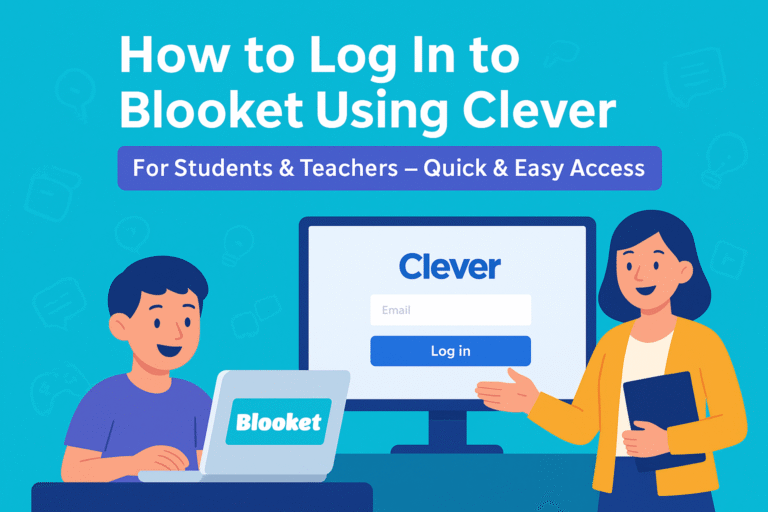
Logging into Progress Learning is quick and easy, whether you’re a student or a teacher. The platform supports standard logins as well as access through education portals like Clever, ClassLink, or Canvas. Here’s how to get started:
- Open your web browser and go to the Progress Learning website.
- Click the “Login” button at the top right corner of the homepage.
- Enter your Account ID, Username, and Password, then click Login.
- If your school uses Clever, ClassLink, or Canvas, you can log in through those portals.
- If you forgot your password, use the reset password option on the login screen.
How to Use Progress Learning Tools
State Test Preparation: Choose the subject and grade level. Take practice quizzes to prepare for state tests. Check your results and redo lessons where you make mistakes.
Tracking Student Growth: Look at your dashboard to see how you are improving. Track scores and completed lessons. This helps you and your teacher know what to focus on next.
Supporting Teachers with Lesson Planning: Teachers can pick lessons from the library, change them if needed, and assign them to students. They use your progress to make future lessons better.
Assigning Homework and Remediation: Teachers give extra lessons for skills you need to improve. Complete them at home and track your progress. This helps you get stronger in weak areas.
Encouraging Independent Learning: You can learn at your own speed using interactive games, quizzes, and lessons. Check your dashboard to see how you are improving. Teachers give tips and feedback to help you succeed.
Using these tools makes learning easier, fun, and helps students improve every day.
What Is Progress Learning Used For?
Progress Learning is a powerful tool used in thousands of U.S. school both public and private.
It supports teachers, engages students, and helps schools meet learning goals across grade levels. Here’s what schools are using it for

State Test Preparation
Schools use Progress Learning to prepare students for end of year state exams.
It offers practice tests, review questions, and standards aligned content that match each state’s curriculum.
Tracking Student Growth
Teachers can track student progress in real time. Detailed reports show learning gaps, strengths, and improvements over time.
Supporting Teachers with Lesson Planning
The platform includes ready to use lesson plans and digital resources. This helps teachers save time and focus more on instruction, not prep work.
Assigning Homework and Remediation
Teachers assign homework directly through the platform, with auto graded quizzes and instant feedback. It’s also great for providing extra help to struggling students.
Encouraging Independent Learning
Students can log in from home to review lessons, take quizzes, or practice tough topics. It promotes responsibility and gives students control over their own learning.
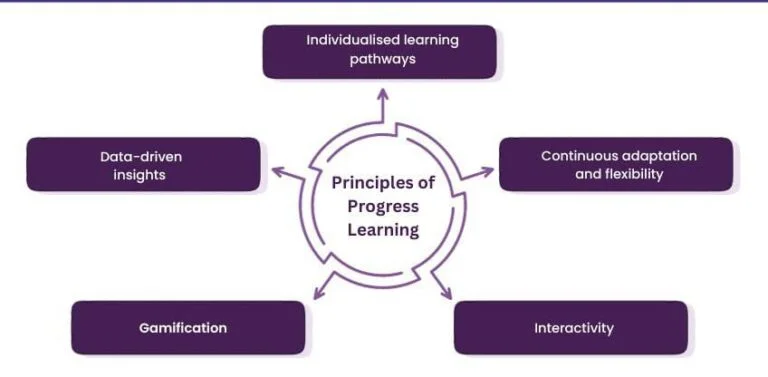
Principles of Progress Learning
Progress Learning follows strong educational principles that guide how students learn and grow. These core ideas make the platform effective, inclusive, and easy to use in real classrooms. Each principle is designed to support student success, teacher instruction, and personalized learning for every child.

Personalized Learning Paths
Every student is different. Some are fast learners, others need more time or support.
Progress Learning creates personalized content that fits each student’s unique pace, level, and understanding. Students follow custom learning paths based on their strengths and weaknesses. This improves focus, confidence, and long term results.
Flexible and Adaptive Learning
The platform is flexible and adjusts as the student progresses. It adapts based on quiz results and learning behavior. If a student struggles, the system provides easier questions and review tasks. If they excel, it moves them forward. This approach helps students avoid frustration or boredom. Everyone learns at the pace that’s right for them.
Interactive Learning Tools
Learning on Progress Learning is active, not passive. Students engage with videos, questions, and digital tasks. They receive instant feedback after every answer, which helps correct mistakes and reinforce learning quickly. These tools make lessons more enjoyable and effective. Students stay focused and are less likely to give up.
Gamified Learning Experience
Progress Learning adds game elements like points, levels, and badges to keep students motivated. This gamification encourages participation and creates a healthy sense of challenge and achievement. Students feel rewarded for learning. It makes education feel more like a fun game than a chore.
Teaching and Support
The platform gives teachers live performance data. They can instantly see how each student is doing. This includes progress reports, topic mastery, and detailed analytics on performance trends. Teachers use this data to personalize teaching. They know who needs help and where to focus their time.
Group and Peer Collaboration
Learning doesn’t happen alone. Progress Learning supports group activities and student collaboration online. Students can work on shared projects, discuss ideas, and help each other understand topics better. This builds teamwork skills, boosts communication, and helps students learn by teaching others.
Lifelong Learning Skills
Progress Learning teaches skills beyond the classroom. It builds habits for real world thinking and problem solving. Students learn how to learn, not just how to pass tests. This prepares them for future challenges. They become more independent, curious, and ready for lifelong success.
Accessibility
The platform is designed for all learners, including students with disabilities or special needs.
It offers subtitles, audio features, alternative formats, and screen reader support to ensure full accessibility. This commitment to inclusion ensures no student is left behind, no matter their background or ability.
Student Empowerment and Ownership
Progress Learning puts students in control of their learning. They set goals, track progress, and take charge. This builds confidence and responsibility as they grow into active, motivated learners. Empowered students become more engaged. They feel proud of their success and stay excited about learning.
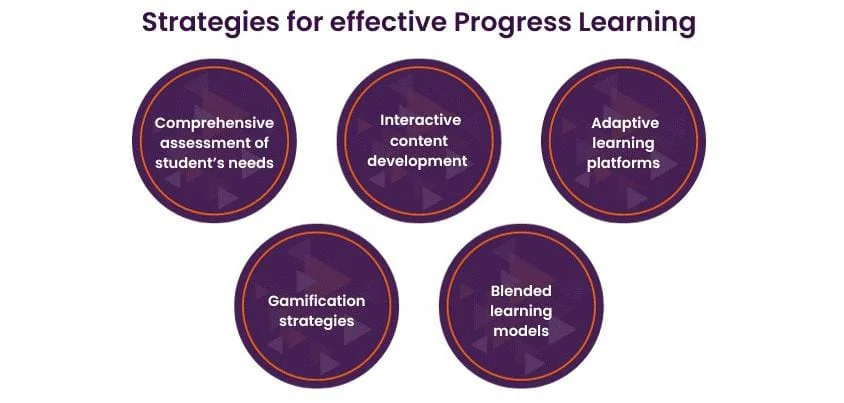
Strategies for Effective Progress Learning
Using Progress Learning effectively isn’t just about the platform it’s about how you apply it. With the right strategies in place, teachers can get more out of the tools, students stay more engaged, and learning becomes much more meaningful. Below are smart, classroom-ready strategies that schools and educators across the U.S. are using to make Progress Learning work better.

Start With Student Needs
The best learning plans begin with understanding your students. What are their strengths? Where do they struggle? Progress Learning works best when it’s tailored. Use assessments and performance data to create learning paths that feel personal and relevant.
Create Interactive Lessons
Static lessons don’t hold attention especially in the digital age. Add videos, quick quizzes, and hands on tasks. Interactive content keeps students engaged. It also helps them remember what they’ve learned by actively participating.
Use Adaptive Technology to Your Advantage
Progress Learning’s adaptive tools are powerful. They adjust lessons based on how each student performs. Let the platform guide pacing. Students who need more time get it, and others can move ahead without waiting.
Gamify the Learning Experience
Badges, points, and challenges might seem small but they make a big difference. Students love them. Gamification adds fun and motivation. It also turns everyday tasks into goals students actually want to reach.
Blend Online with Face to Face
Don’t rely only on digital tools. Combine Progress Learning with in class discussions and small group time. Blended learning helps reinforce lessons and lets students ask questions or get help in real time.
Provide Feedback Often
Learning improves with clear, regular feedback. Use Progress Learning to check in weekly or even daily. Short assessments paired with quick feedback help students fix mistakes early and build confidence over time.
Encourage Teamwork and Peer Learning
Let students work together. Whether it’s a group project or peer to peer tutoring, they’ll learn faster. Progress Learning supports this with collaborative features. Plus, explaining concepts to others helps deepen understanding.
Use Data to Drive Instruction
Don’t guess where students need help check the data. Progress Learning gives teachers real time insight.
Use reports to spot patterns, adjust lessons, or identify who might need one on one support.
Train Teachers Consistently
Even the best tech won’t work without training. Support your teachers with ongoing professional development. Help them explore new features, learn best practices, and feel confident using the platform every day.
Make Learning Accessible to Everyone
Good education should include everyone. Make sure Progress Learning is accessible to all students. Use subtitles, screen readers, and other built in tools to support learners with different needs or disabilities.
Keep Parents in the Loop
Students succeed when parents are involved. Share progress updates and communicate regularly with families. Even small updates like quiz scores or goal tracking help parents stay engaged and supportive.
Encourage Self Directed Learning
Teach students how to learn on their own. Give them space to explore topics that interest them. Progress Learning makes it easy to offer extra resources or enrichment tasks that go beyond the curriculum.
Implementing Progress Learning in Schools
Bringing Progress Learning into the classroom isn’t just about using new tools. It’s about reimagining how teaching and learning work together. A successful transition requires thoughtful planning, teacher support, and the right infrastructure. Here’s a step by step approach to help schools implement Progress Learning effectively and confidently.

Start With Teacher Training
Educators need time and tools to understand how Progress Learning works. Offer hands on training, online courses, and live demos to build their confidence. Well trained teachers are more likely to create engaging lessons and use the platform to its full potential.
Update Your Curriculum
Progress Learning works best when integrated into the curriculum not added on top.
Align lessons with digital content, adaptive quizzes, and interactive tools that match learning goals. This helps students follow personalized paths while meeting grade-level standards.
Invest in the Right Tech
To use Progress Learning properly, schools need reliable digital resources.
This includes adaptive software, learning platforms, and tools that track student progress in real time. Smart tech gives teachers the data they need to support students individually.
Build Strong IT Infrastructure
A good platform needs a strong foundation. Make sure your school has high speed internet and up to date devices. Multimedia tools, smartboards, and reliable WiFi make lessons smoother and more engaging. A tech friendly environment keeps learning moving without interruption.
Involve Parents Early
Parents are a key part of the learning journey. Keep them updated and involved from the start.
Share progress reports, provide access to student dashboards, and offer occasional parent workshops. This helps reinforce learning at home and builds a strong school-home connection.
Create Individual Learning Plans (ILPs)
Each student learns differently. Use ILPs to guide personalized instruction. List goals, strengths, and focus areas for every student to support their unique learning path. These plans help teachers track progress and adjust strategies as needed.
Focus on Continuous Feedback
Move away from one time exams. Instead, use quick quizzes, mini projects, and interactive assessments. Progress Learning offers instant feedback, helping students see where they stand and improve faster. This keeps learning active and gives teachers more insight along the way.
Encourage Group Learning
Create flexible classroom setups that support collaboration, group work, and discussions.
Learning with peers builds communication skills, teamwork, and a stronger sense of engagement. Students also learn better when they explain ideas to others or work together on challenges.
Monitor and Adjust Regularly
Keep checking in on what’s working and what’s not. Use platform data, teacher feedback, and student results to adjust your approach as needed. Progress Learning should evolve with your school’s goals and classroom realities.
Make It Inclusive
Make sure all students can benefit, including those with special needs. Use screen readers, subtitles, and flexible lesson formats to support different learning styles and abilities. An inclusive approach creates a safe, supportive space for everyone to succeed.
Role of Technology in Progress Learning
Technology is no longer just a classroom add on it’s the engine driving modern learning.
In Progress Learning, tech tools help create smarter, more personalized, and engaging learning experiences for students.
Let’s look at the powerful ways technology is transforming education through Progress Learning.
Personalized Learning Paths
Adaptive platforms use smart algorithms to learn how each student studies and solves problems.
They adjust content automatically, helping every student move at their own pace and style. This keeps learners from falling behind or getting bored. It also improves long term knowledge retention.
Interactive and Visual Content
Technology brings learning to life with videos, animations, and virtual simulations.
These tools make complex topics easier to understand and more exciting to explore. Students stay more engaged and develop deeper thinking skills by interacting with the content directly.
Data Driven Teaching
Every click and quiz creates data that shows how students are really doing. Teachers use this data to adjust lessons, give feedback, and close learning gaps in real time. Smart data helps schools make better decisions and helps students get the support they need faster.
Gamification for Motivation
Educational games, points, and rewards keep students engaged and wanting to learn more.
Leaderboards and badges turn goals into fun challenges, building confidence and focus. This friendly competition boosts motivation while still supporting progress at every level.
Blended Learning Environments
Tech tools help schools mix online and classroom learning with ease. Students attend virtual classes, do group work, or review lessons online at their convenience. This flexible setup supports different learning styles and helps build a strong classroom community.
Accessibility for All Learners
Technology supports all students, including those with disabilities or learning challenges.
Screen readers, captions, and voice tools make lessons easier to follow and understand. Inclusive tech ensures that every student can learn in a way that suits them best.
Tools for Teamwork
Students can collaborate online with classmates anytime, from anywhere.
They can work on shared documents, give feedback, or chat through learning platforms. This builds teamwork, communication, and real world collaboration skills that are valuable beyond school.
Global Connections
Online platforms connect students with classrooms across the globe.
They can join international projects, attend webinars, or participate in online forums. These global learning communities expand cultural awareness and bring fresh ideas into the classroom.
Skills for the Future
Using technology daily helps students build the digital skills they’ll need in life and work.
They learn how to research, problem solve, and use tools they’ll need in modern jobs. Progress Learning doesn’t just teach academics it prepares students for the future workforce.

Advantages of Progress Learning
Progress Learning brings many benefits to schools, teachers, and students. It goes beyond textbooks and worksheets, offering a smarter, more personalized way to learn. Here are the key advantages that make Progress Learning a top choice for modern classrooms.
Personalized Learning for Every Student
Progress Learning adapts to how each student learns best. No one is left behind or held back.
It uses data to deliver the right lessons at the right level every step of the way. This helps students build confidence. They can focus on their own strengths and improve weaknesses at their pace.
Real Time Progress Tracking
Teachers don’t have to guess how students are doing they get updates instantly.
Progress reports and dashboards show who’s excelling and who may need extra support. This leads to faster interventions. Teachers can act early to close learning gaps.
Engaging and Fun Learning
Interactive videos, quizzes, and games keep students focused and excited to learn.
Lessons feel more like fun challenges than boring tasks. This boosts motivation and helps students remember what they’ve learned more effectively.
Smart Use of Learning Data
Progress Learning collects valuable data from every activity, quiz, and assignment.
Teachers can use this data to improve instruction and personalize their lessons. It’s not just test scores it’s deep insight into how students think and learn.
Teacher Friendly Tools
The platform is built to support, not stress out, teachers. Everything is easy to manage.
From assigning work to reviewing grades, the tools are clear, fast, and organized. This saves teachers time and lets them focus more on students not on paperwork.
Motivation Through Gamification
Badges, points, and leaderboards turn schoolwork into a fun competition. Students stay driven, aim higher, and celebrate small wins along the way. This friendly system keeps them engaged and proud of their progress.
Supports All Learners
Progress Learning works for everyone, including students with special learning needs. It includes accessibility features like screen readers, captions, and adjustable difficulty levels. No matter the ability, every student can learn, grow, and succeed in their own way.
Involves Parents in Learning
Parents can stay connected through progress reports and platform access. They see what their child is working on and where support is needed. This improves learning at home. Families become true partners in education.
Prepares Students for the Future
Students build real world skills like problem solving, digital literacy, and independent thinking. These are skills they’ll need in college, careers, and life beyond the classroom. Progress Learning isn’t just about school it helps students grow into lifelong learners.
What’s New?
AI Tools Are Changing How Students Learn In 2025, AI is being used in many learning tools, including:
- Personalized quizzes
- Real time feedback
- Adaptive lesson plans
- AI powered tutors
Some platforms, like Preply, mix human tutors with AI to boost engagement and results. This shows where learning platforms like Progress Learning might be headed.
Frequently Asked Questions
Is Progress Learning Free?
No, it’s a paid platform usually purchased by schools or districts. Some parents may get individual access through their school.
Can Parents Track Their Child’s Progress?
Yes. Progress Learning offers parent dashboards that show quiz scores, missed topics, and progress over time.
Is It Only for Test Prep?
No. While it helps with standardized tests, it also builds long term skills in math, reading, writing, science, and more.
The platform is helpful, but building tests is clunky. Why?
Some teachers find the test building process less intuitive than expected. It may take extra clicks to set up assessments. However, templates and training resources can help. Progress Learning is improving this feature based on user feedback.
Too many clicks to do simple things Is this a known issue?
Yes, a few users report that navigating certain tools takes too many steps. Progress Learning regularly updates the platform to streamline the user experience. Using saved settings and pre built content can help reduce time spent clicking.
Kids like immediate feedback, and I like progress tracking. Why is this useful?
Immediate feedback helps students learn from mistakes in real time. Teachers benefit from automatic progress tracking, saving time and improving support. This combination makes learning more engaging and targeted for each student.
Are there Progress Learning reviews from teachers?
Yes. Many teachers say they love the real time tracking and personalized learning paths. Some also mention minor issues like navigation or quiz building. Overall, reviews highlight the platform’s impact on student growth and classroom efficiency.
Is Progress Learning worth it?
For most schools, yes. It offers adaptive learning, progress tracking, and student engagement tools. Its features help teachers save time and support personalized instruction. While not perfect, it delivers strong value, especially with proper training and support.
How can I track student progress online with Progress Learning?
Teachers get real time dashboards showing each student’s scores, growth, and time on task. Reports can be filtered by topic, standard, or student group for better planning. You can also export data or share insights with parents and admins.
Conclusion
Progress Learning is changing how schools approach teaching and learning. It supports teachers with ready made lessons, real time progress tracking, and tools that save time. Students benefit from personalized learning paths, interactive content, and instant feedback that keeps them engaged. Whether it’s preparing for state tests or assigning homework, the platform helps make learning more efficient and meaningful.
What makes Progress Learning stand out is its flexibility and focus on real growth. It works both in the classroom and at home, helping students take charge of their learning journey. With its data driven approach and easy to use tools, it empowers teachers, engages students, and supports better learning outcomes for everyone.