Health Education Aims: A Complete Guide
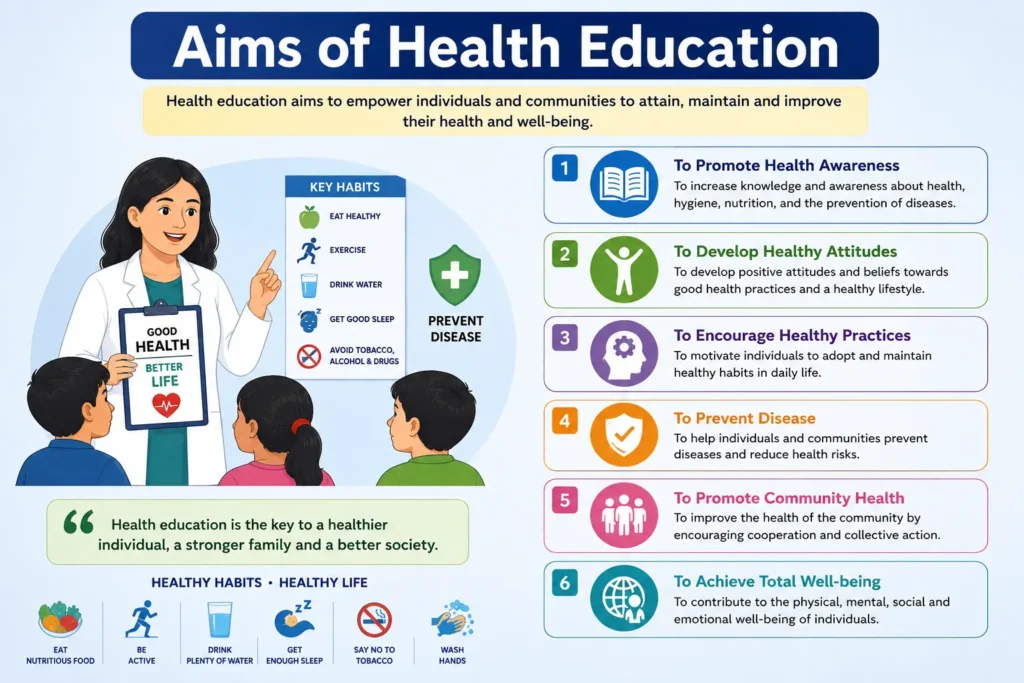
Health education aims are the broad purposes that guide health education as a field. These include promoting health awareness, preventing disease, building health literacy, changing behaviors, empowering individuals, and supporting community well-being. Recognized by the WHO and CDC, these aims apply across schools, communities, and healthcare settings. Understanding them helps educators, students, and policymakers design effective health programs and make better decisions about well-being.
Health education is more than sharing facts about the body or listing diseases to avoid. It is a planned, purposeful process designed to help people understand, protect, and improve their health. The World Health Organization defines health education as “consciously constructed opportunities for learning involving some form of communication designed to improve health literacy.”
But what exactly does health education aim to achieve? That is the question this guide answers. Below, you will find a clear breakdown of every core aim, what each one means in practice, and how they connect to real-world health outcomes in schools, communities, and public health programs.
What Is Health Education?
Health education is a planned learning process. It gives individuals, groups, and communities the knowledge and skills they need to make better health decisions. The Joint Committee on Health Education and Promotion Terminology describes it as “planned learning experiences based on sound theories that provide individuals, groups, and communities the opportunity to acquire information and skills needed to make quality health decisions.”
Health education covers physical health, mental health, and social well-being. It takes place in schools, workplaces, clinics, and communities. To understand educational goals importance, it helps to first understand what drives them, and in health education, that means understanding its aims.
What Are the Aims of Health Education?
The aims of health education are the broad, long-term purposes that guide health education programs and curricula. They are not specific measurable targets — those are called objectives. Aims set the direction. They answer the question: what should health education ultimately achieve?
Below are eight core aims recognized across WHO, CDC, and UNESCO frameworks.
1. To Promote Health Awareness
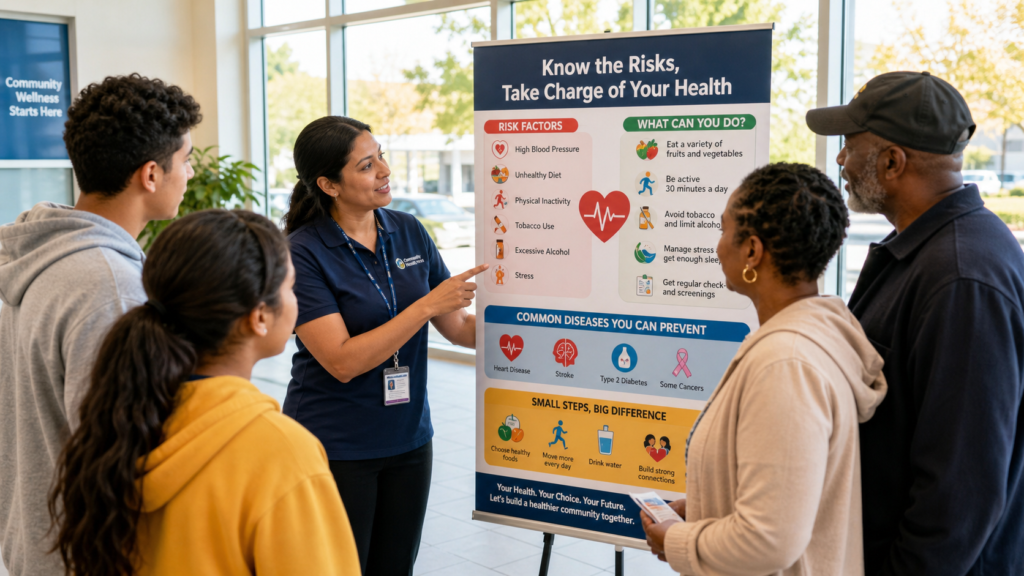
One of the first aims of health education is raising awareness. People cannot protect their health if they do not know what threatens it. Health education works to increase individual and community awareness of diseases, risk factors, preventive measures, and healthy behaviors.
This aim covers everything from understanding how infections spread to recognizing signs of mental health struggles. By giving people accurate, accessible information, health education ensures they can identify health issues early and understand what affects their well-being.
2. To Prevent Disease and Injury
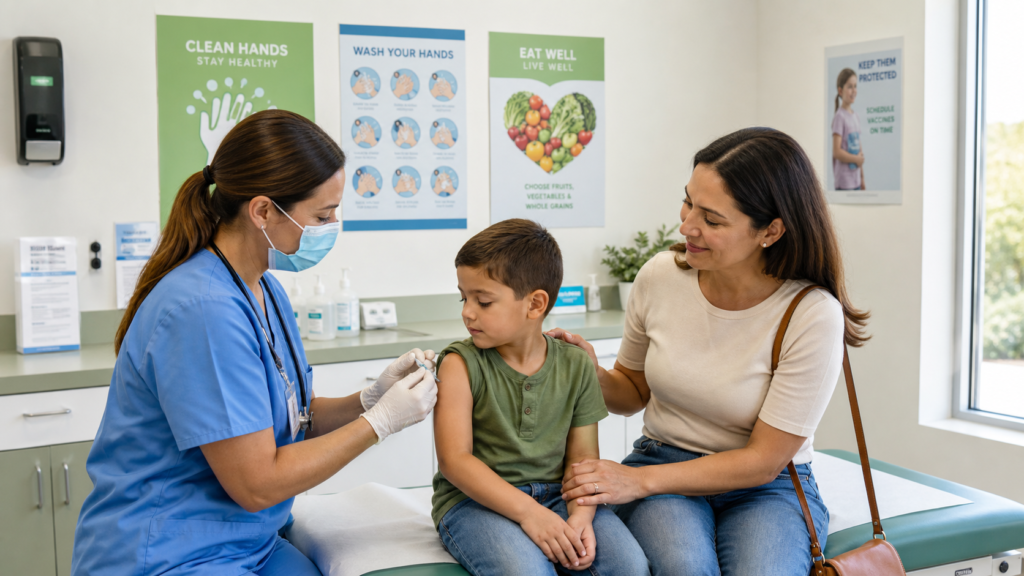
Disease prevention is a central purpose of health education. This aim focuses on reducing the risk of illness before it starts. Health education teaches people about vaccinations, hygiene practices, nutrition, physical activity, and safety habits that lower the chance of preventable conditions.
The CDC identifies this as a primary goal of school health programs. When young people learn healthy behaviors early, they carry those habits into adulthood, reducing long-term disease burden on individuals and communities alike.
3. To Build Health Literacy
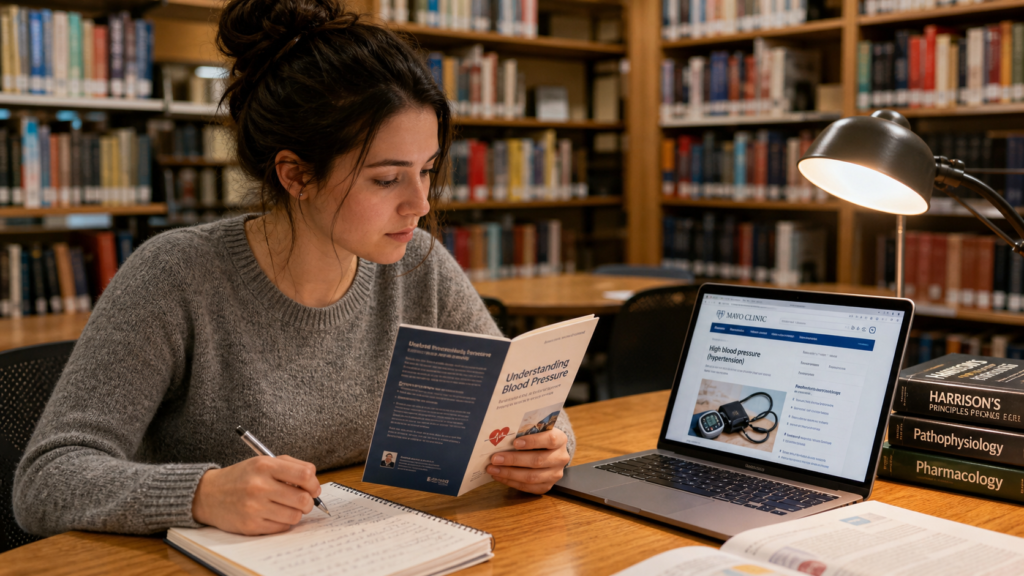
Health literacy means more than reading a pamphlet. The WHO defines health literacy as the cognitive and social skills that determine a person’s motivation and ability to access, understand, and use health information to make good health decisions.
This aim goes deeper than awareness. It is about equipping people to find reliable health information, evaluate it critically, and apply it to their lives. A person with strong health literacy can read a medication label, understand a doctor’s instructions, and recognize misinformation, all of which lead to better health outcomes.
4. To Change Attitudes and Behaviors
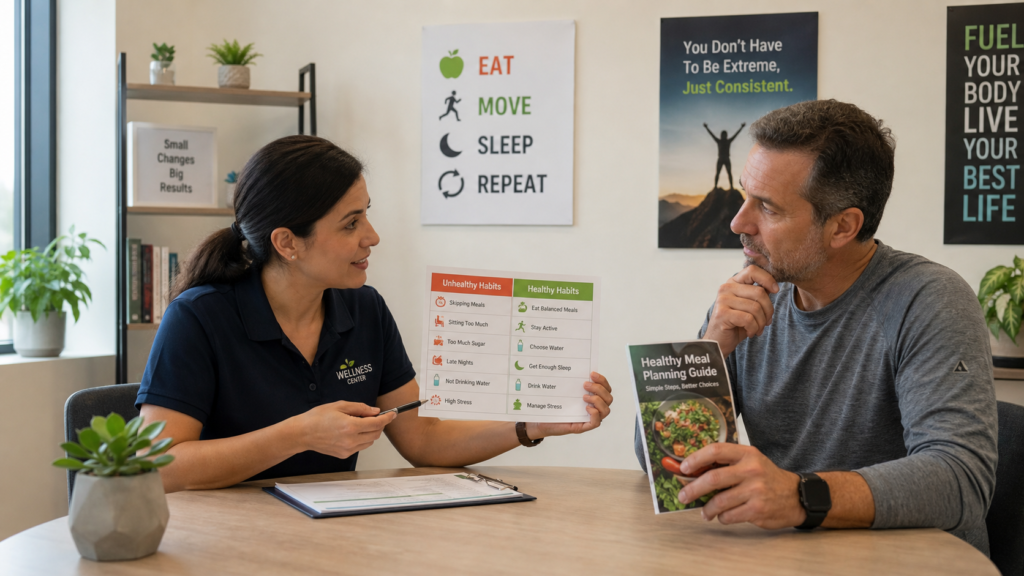
Sharing information is not enough on its own. Healthy knowledge does not always lead to healthy action. One of the most important aims of health education is shifting attitudes and behaviors toward healthier patterns.
This aim recognizes that people’s habits are shaped by beliefs, culture, environment, and emotion , not just facts. Health education uses communication, skill-building, and community engagement to move people from knowing what is healthy to actually living healthier lives. Behavioral change is the bridge between information and impact.
5. To Empower Individuals
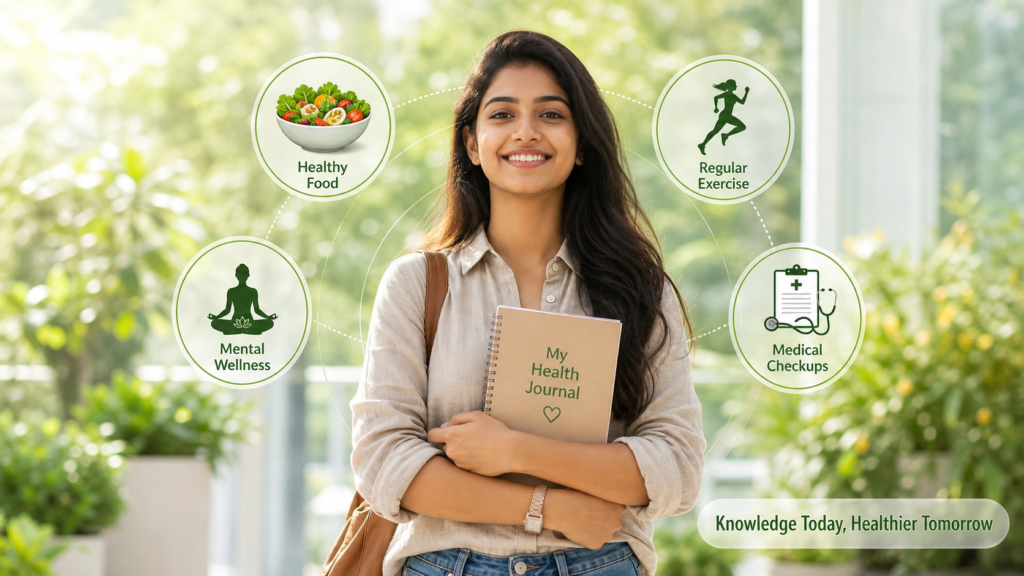
Health education aims to build personal agency. This means giving people the knowledge, confidence, and skills to take charge of their own health without depending entirely on healthcare systems.
An empowered person knows when to seek medical help, understands how to manage a chronic condition, and can make informed choices about food, exercise, mental health, and lifestyle. UNESCO’s Education for Health and Well-Being strategy places individual empowerment at the center of modern health education, because empowered people make better health decisions for themselves and the people around them.
6. To Support Community and Public Health
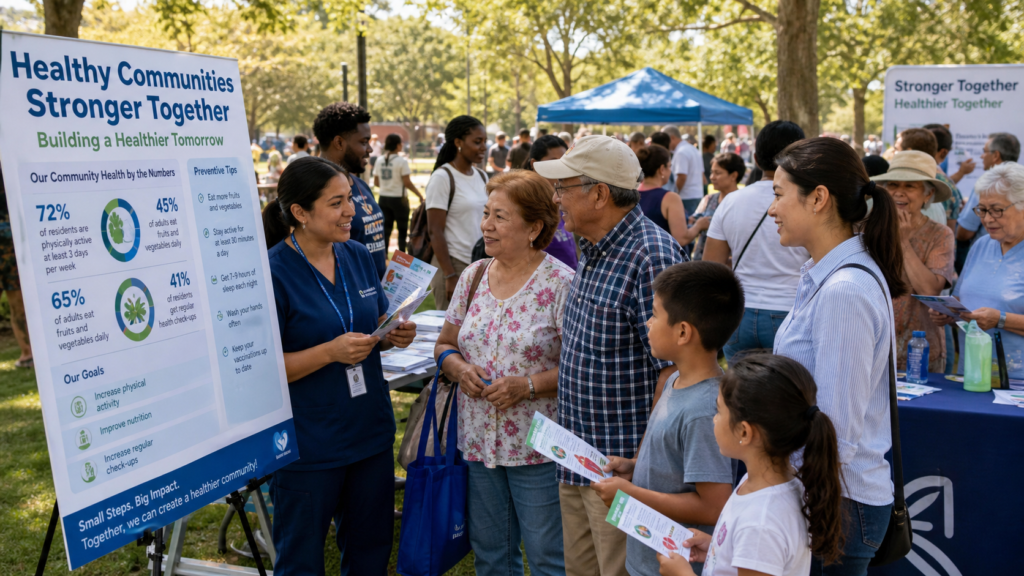
Health education does not stop at the individual. A key aim is improving health at the community level. When individuals gain health knowledge and skills, the ripple effects reach families, neighborhoods, and broader society.
WHO and UNESCO have set global standards for health-promoting schools precisely because community-level impact requires shared knowledge. Reducing the spread of disease, improving maternal health outcomes, and cutting rates of preventable conditions all depend on health education reaching communities as a whole, not just the individuals who actively seek information.
7. To Develop Life Skills for Healthy Living
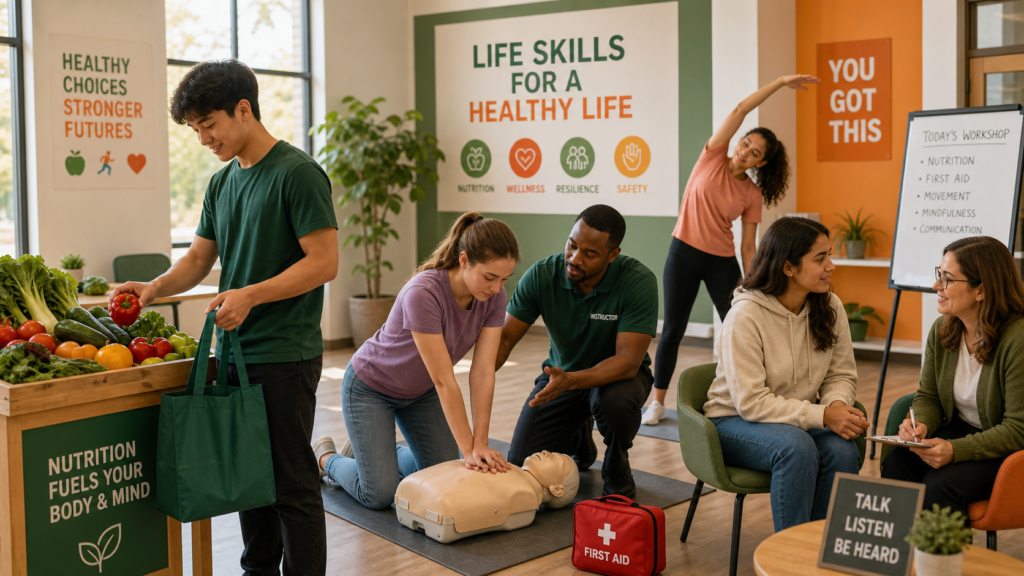
The CDC’s “What Works in Schools” framework identifies life skills development as a direct outcome of quality health education. These are practical, transferable abilities that support healthy living across different stages of life.
Life skills in this context include:
- Making informed nutritional choices
- Recognizing and managing stress and mental health challenges
- Understanding basic first aid and emergency response
- Building and maintaining physical activity habits
- Communicating effectively about personal health needs
These skills go beyond classroom content. They prepare people to navigate real health situations with confidence.
8. To Reduce Health Inequalities
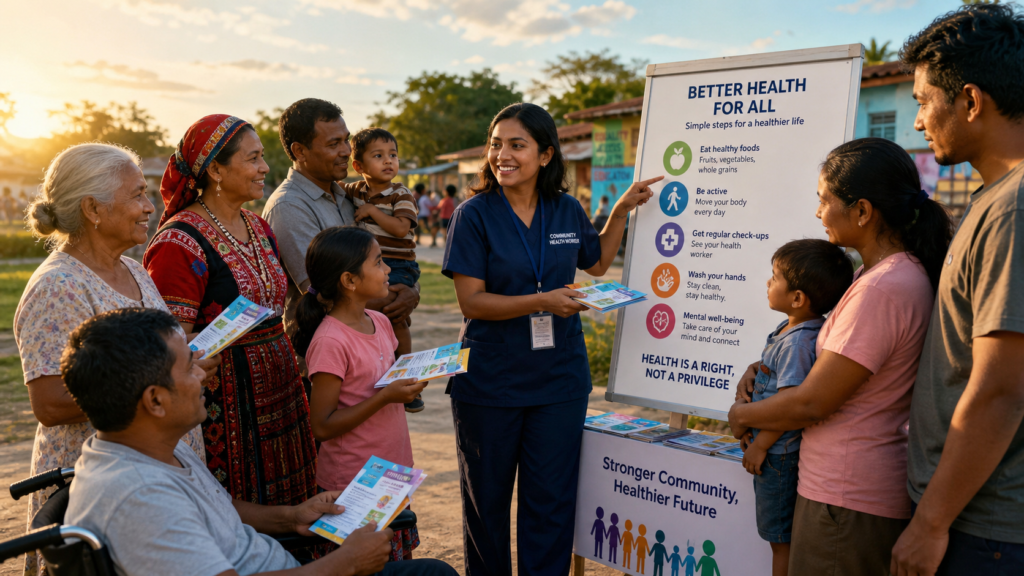
Not everyone has equal access to health knowledge. One of the most pressing aims in current health education frameworks is ensuring that health information reaches underserved and vulnerable populations.
UNESCO’s 2025 Education for Health and Well-Being strategy explicitly ties health education to equity. This means designing programs that cross economic, geographic, linguistic, and cultural barriers. Health education should be inclusive by design, not a resource only available to those who already have easy access to healthcare.
This aim connects directly to the broader aims of education as a whole, where equity and access are recognized as fundamental to any effective educational system.
What Is the Difference Between Aims and Objectives in Health Education?
This is one of the most misunderstood distinctions in the field. Many articles use aims and objectives as if they mean the same thing. They do not.
Aims are broad, directional purposes. They describe what health education is trying to achieve overall. Objectives are specific, measurable outcomes that show progress toward those aims. Goals sit in between, they are organization or program-level targets that are more concrete than aims but less granular than objectives.
Here is how they compare:
| Aims | Goals | Objectives | |
|---|---|---|---|
| Specificity | Broad and directional | Mid-level targets | Specific and measurable |
| Timeframe | Long-term | Medium-term | Short to medium-term |
| Who sets them | Policymakers, curriculum designers | Organizations, governments | Teachers, program staff |
| Example | To prevent disease | Reduce obesity rates by 10% over 5 years | Students list three risk factors for heart disease |
A health education program without clear aims has no direction. A program without measurable objectives cannot track progress. Both are needed, and they are not interchangeable.
What Are the Aims of Health Education in Schools?
School settings have their own version of these aims. In a classroom or campus context, health education aims to help students:
- Develop a scientific, evidence-based understanding of health
- Recognize health problems in their own environment
- Build personal and social skills that support healthy decision-making
- Take responsible action as members of their families and communities
- Maintain both physical and mental well-being through their school years and beyond
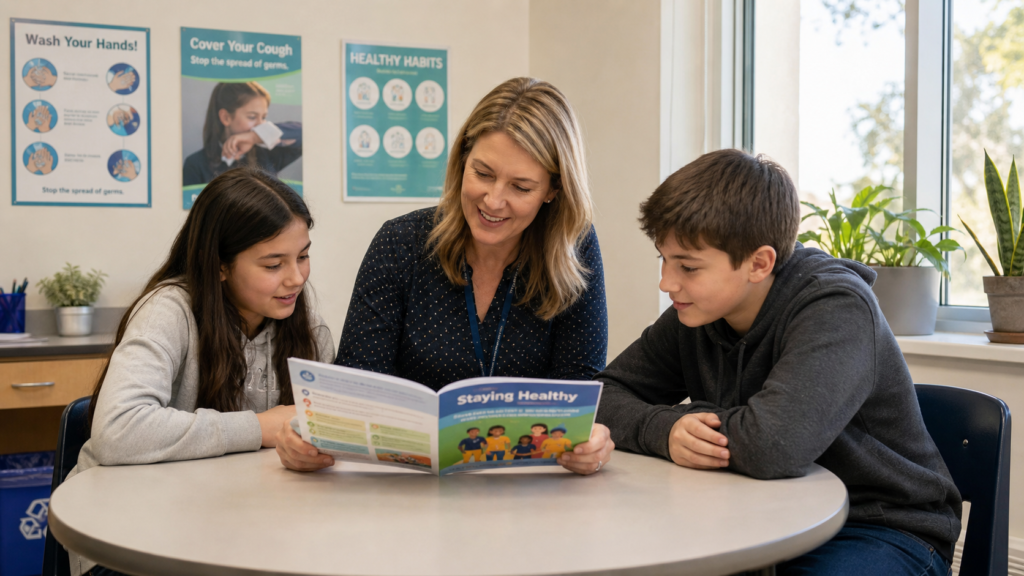
The CDC’s “What Works in Schools” program outlines that quality school health education helps youth “learn basic health knowledge, strengthen healthy attitudes, and build skills for lifelong healthy behaviors.” WHO and UNESCO’s joint initiative on health-promoting schools adds eight global standards that schools should meet, covering everything from school environment to curriculum content to community partnerships.
Strong school-based health education lowers absenteeism, improves academic performance, and builds a generation of healthier adults.
Why Do the Aims of Health Education Matter?
Without clear aims, health education becomes a scattered collection of facts rather than a purposeful process. Aims give structure to health programs, curricula, and public health campaigns. They ensure that resources, time, and effort are directed toward outcomes that actually improve people’s lives.
WHO’s 13th General Program of Work set a target of making one billion lives healthier. Health education is one of the key tools used to reach that kind of global outcome. When aims are clearly defined, educators can design lessons that build on each other. Communities can create programs that address real needs. Policymakers can evaluate what is working and what is not.
Aims also connect health education to the social determinants of health, the broader conditions like income, education, housing, and environment that shape health outcomes. A health education program that understands its aims can address these root causes, not just surface-level symptoms.
Health Education Aims vs. Health Promotion
These two terms are often used together, but they are not the same thing.
Health education aims to change knowledge, attitudes, and behaviors at the individual and group level. It is a communication and learning process.
Health promotion is the broader umbrella. It includes policy changes, environmental design, community organizing, and systemic interventions, not just education. Health education is one strategy used within health promotion to support larger public health goals.
Think of it this way: health education teaches a person why smoking is harmful. Health promotion includes the policies that restrict tobacco advertising, raise cigarette taxes, and create smoke-free public spaces. Both aim to reduce smoking, but they operate at different levels.
Frequently Asked Questions
What is the overall purpose of health education?
The overall purpose of health education is to help people gain the knowledge, attitudes, and skills they need to make informed decisions about their health. It works at both the individual and community level, aiming to prevent disease, improve well-being, and build health literacy across different populations and settings.
How do health education aims connect to public health goals?
Health education aims serve as the foundation for public health programs. When individuals and communities gain accurate health knowledge and develop healthy behaviors, the result is lower disease rates, reduced pressure on healthcare systems, and better quality of life at a population level. WHO and UNESCO both connect health education aims directly to national and global public health targets.
What role does mental health play in health education aims?
Mental health has become an explicit part of modern health education aims. Post-pandemic frameworks from WHO and UNESCO now include mental health literacy as a core aim alongside physical health. Students and community members are taught to recognize signs of stress, anxiety, and depression, and to seek appropriate support rather than ignore mental health needs.
Are health education aims the same across different countries?
The core aims, such as disease prevention, behavioral change, and empowerment, are broadly consistent across countries because they follow WHO and UNESCO guidance. Specific programs differ based on national health priorities, cultural context, available resources, and local school curriculum policies. The framework is global; the application is local.
How is health literacy different from health awareness?
Health awareness means knowing that a health issue or risk exists. Health literacy goes further. It is the ability to find health information, understand it, judge its reliability, and apply it to real decisions. A person can be aware that sugar causes health problems but still lack the literacy skills to read a nutrition label and make a good food choice.
Can health education aims change over time?
Yes. Health education aims are reviewed and updated as health challenges evolve. The addition of mental health literacy, digital health information skills, and health equity as explicit aims are all recent developments driven by changing public health priorities. WHO and UNESCO regularly revise their frameworks, which is why health education programs should be reviewed at least every few years.
What is meant by empowerment as an aim of health education?
Empowerment as a health education aim means building a person’s confidence and capability to manage their own health. This goes beyond giving information. It includes developing skills, strengthening self-confidence, and helping people understand their rights as health consumers. An empowered person is more likely to seek care early, follow through on medical advice, and make independent healthy choices throughout life.