What Is Education? Definition, Types, Purpose, and Importance
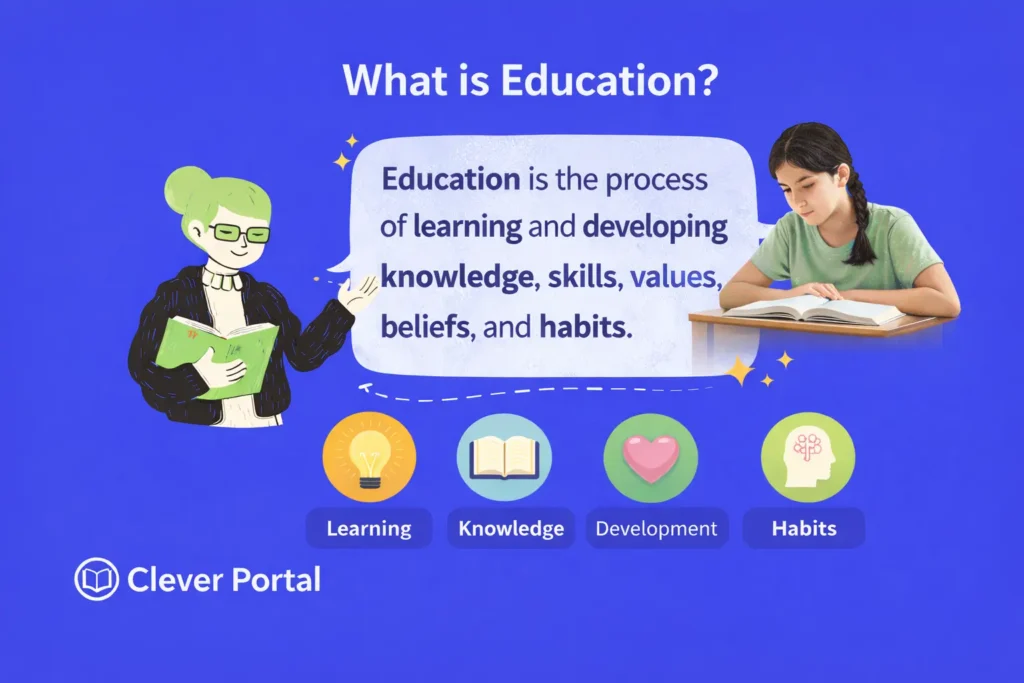
Education is the process through which people gain knowledge, build skills, and develop values. It comes in three main forms: formal (schools and universities), non-formal (workshops and training programs), and informal (learning from daily life and experience). The purpose of education goes beyond passing exams. It shapes who we are, how we think, and how we contribute to society. Education is a lifelong process, not just something that happens in a classroom.
Most people think education means going to school. But education is much bigger than that.
You learn from your parents before you ever step into a classroom. You learn from your friends, your community, and your everyday experiences. All of that counts as education too.
Think about it this way. A child who watches their grandmother cook a traditional meal is learning. A teenager who figures out how to fix a broken bicycle is learning. An adult who takes an online course to switch careers is learning. None of these moments happen in a formal school setting, yet all of them are part of the larger story of education.
So what is education, really? This article gives you a clear definition of education, explains its meaning according to different thinkers, covers the different types of education, breaks down its purpose and importance, and shows how education has evolved in the modern world. By the end, you will have a solid and complete understanding of what education truly means, why it matters, and how it shapes every part of human life.
What Is Education? The Full Definition and Meaning
Education is the process of developing knowledge, skills, values, and character in a person. It is both what is taught and what is drawn out from within the learner.
The word “education” comes from two Latin roots. The first is educare, which means to nourish or bring up. The second is educere, which means to draw out or lead forth. Together, these roots tell us something important about the meaning of education. It is not just about filling a person’s mind with information. It is also about helping a person discover their own abilities, grow their thinking, and develop their character.
According to Britannica, education refers to the discipline concerned with methods of teaching and learning in schools, as well as the social institution through which society transmits accumulated knowledge, skills, values, and norms from one generation to the next.
UNESCO defines education as any act or experience that has a formative effect on the mind, character, or physical ability of an individual.
In simple words, education is how human beings learn to understand the world and their place in it. It is a continuous, lifelong process. It starts the moment a child is born and continues until the very end of life.
How Different Philosophers Defined Education
Some of the greatest thinkers in history have tried to define education in their own words. Their definitions help us understand how rich and layered the meaning of education really is.
John Dewey, one of the most influential American educators and philosophers, believed that experience is the foundation of all genuine learning. He said: “Education is not preparation for life; education is life itself.” Dewey argued that students learn best by doing, by engaging with real problems, and by participating actively in their community rather than sitting passively and absorbing facts from a teacher.
Aristotle, the ancient Greek philosopher, believed education should develop virtue and reason. He did not just want people to be smart. He wanted them to be good. For Aristotle, a truly educated person was one who could think wisely and act with integrity.
Paulo Freire, the Brazilian educator and author of “Pedagogy of the Oppressed,” had a different perspective. He criticized what he called the “banking model” of education, where teachers simply deposit information into students as if they were empty containers. Freire believed that real education should help people think critically, question the world around them, and work toward social justice.
Each of these definitions adds a new dimension to our understanding. Education is personal, social, philosophical, and deeply practical all at once.
To understand the deeper goals and intentions that drive education, explore our guide on the aims of education.
What Are the Main Types of Education?
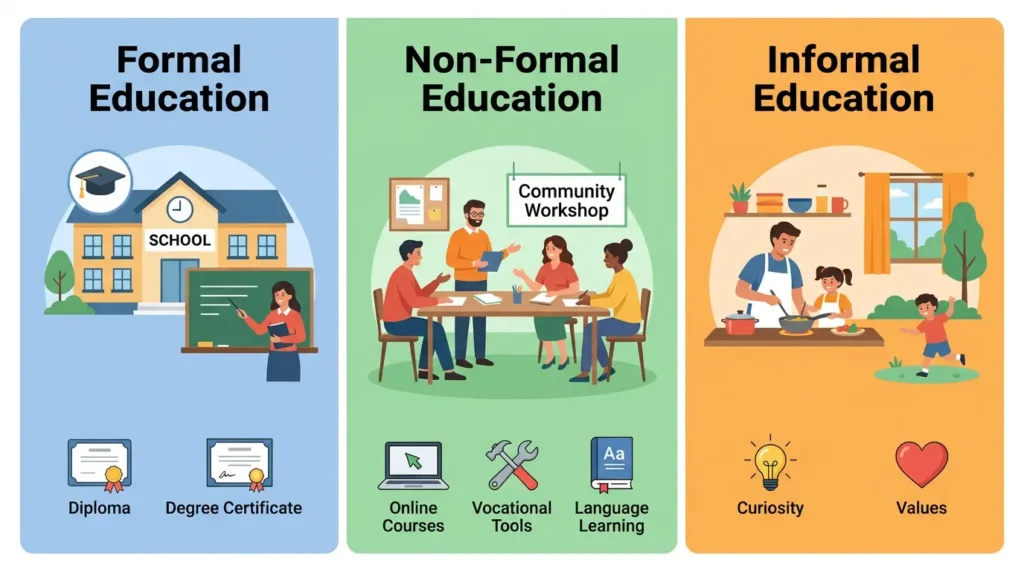
Education is not a single thing. It takes many forms, and each form plays a unique role in human development. UNESCO recognizes three main types of education: formal, non-formal, and informal. Understanding the difference between them helps us see just how wide the world of learning really is.
Formal Education
Formal education is structured, planned, and takes place in recognized institutions like schools, colleges, and universities. It follows a set curriculum that is designed and approved by educational authorities. It involves trained teachers and qualified instructors. It leads to official qualifications such as diplomas, certificates, and academic degrees.
Formal education usually follows a clear age-based and grade-based progression. It begins in early childhood with preschool programs and moves through primary school, secondary school, and higher education. The formal education system is the most visible and widely recognized form of education in most societies.
Non-Formal Education
Non-formal education is organized and intentional, but it happens outside the traditional school system. It does not always lead to official qualifications, but it is structured enough to have clear learning goals. Examples include adult literacy programs, vocational training centers, community health workshops, language learning classes, and online certification courses.
Non-formal education is flexible and practical. It is often designed to meet the specific needs of a group or community. Many working adults rely on non-formal education to gain new skills, change careers, or fill gaps in their knowledge that formal schooling did not address.
Informal Education
Informal education is learning that happens naturally through everyday life and experience. It has no fixed schedule, no official teacher, and no set curriculum. You learn informally when your parents show you how to cook, when you watch how your older sibling handles a difficult situation, or when you explore a new hobby on your own.
Informal learning happens constantly and in every environment. It takes place in homes, playgrounds, communities, workplaces, and online spaces. It is shaped by culture, relationships, and personal curiosity. Unlike formal and non-formal education, informal education is rarely recognized with a certificate or grade, but its impact on a person’s knowledge, values, and social skills is enormous.
All three types of education work together. A person’s full understanding of the world comes from a combination of formal instruction, organized training, and the countless lessons that everyday life provides.
For a deeper look at how these categories compare and interact, read our complete guide on the types of education.
What Is the Purpose of Education?
The purpose of education is one of the most important questions any society can ask. The answer affects how schools are built, how teachers are trained, what subjects are taught, and how students are evaluated. The purpose of education goes far beyond academic achievement.
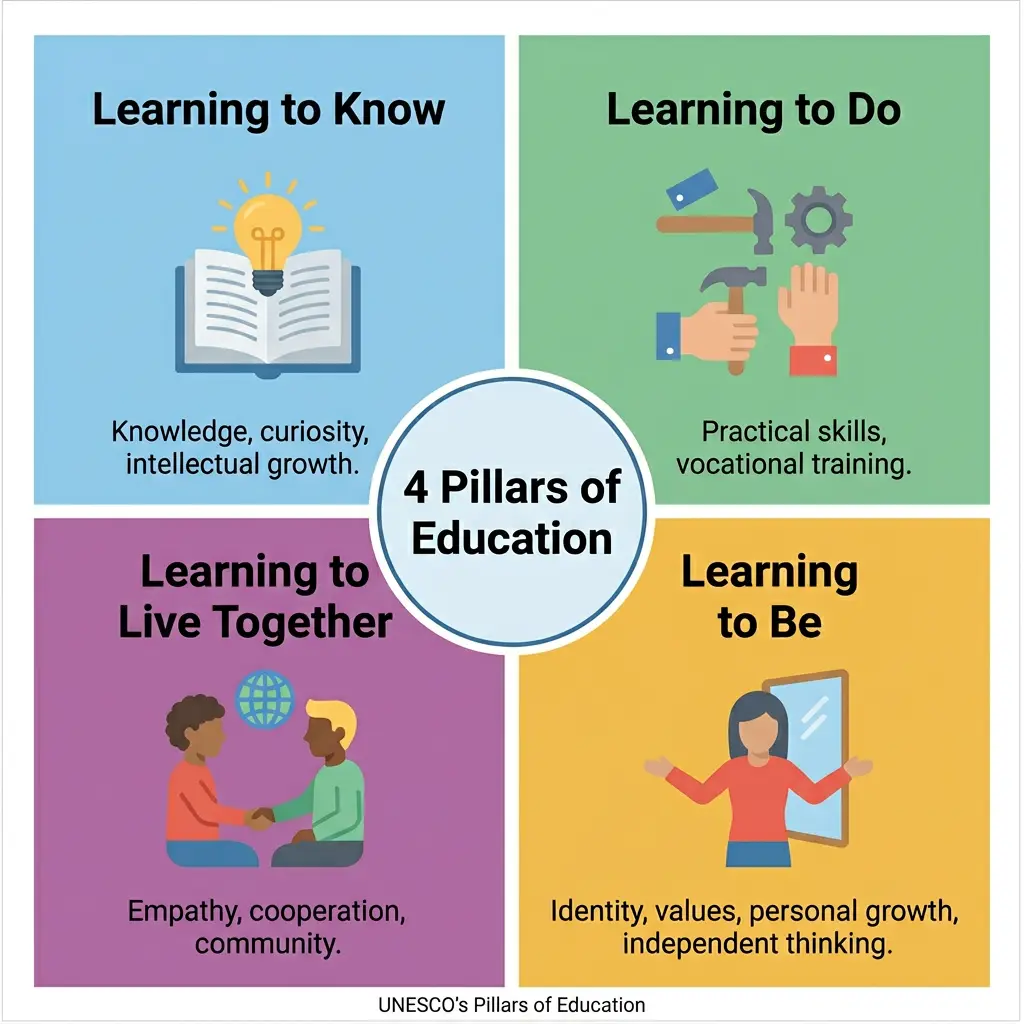
UNESCO identifies four core pillars of learning that together define what education should accomplish. These four pillars were introduced in the landmark 1996 report “Learning: The Treasure Within,” produced by the International Commission on Education for the Twenty-First Century.
Learning to Know
This pillar is about building a broad general knowledge base and, more importantly, learning how to learn. It is not just about memorizing facts. It is about developing the curiosity and intellectual skills needed to keep learning throughout life. A person who knows how to learn is never truly finished with their education.
Learning to Do
This pillar focuses on practical skills that can be applied in real life and work. It connects knowledge to action. It prepares people not just to know things but to do things, to contribute, to work, and to solve real problems. Vocational training, apprenticeships, and hands-on learning experiences all serve this pillar.
Learning to Live Together
This pillar addresses one of the most pressing challenges of the modern world: the ability to understand and respect people who are different from us. Education should develop empathy, cooperation, and the ability to resolve conflict peacefully. It should prepare people to be active and responsible members of diverse communities.
Learning to Be
This pillar is the most personal. It is about developing individual identity, values, and the capacity for independent thought. Education should help each person discover who they are, what they believe, and how they want to live. It should develop the whole person, not just their professional skills.
These four pillars make it clear that education is not just about job preparation or academic performance. It is about raising thoughtful, capable, and compassionate human beings.
Understanding these goals also changes how teaching is done. Good teaching is built on solid principles that align with the purpose of education. You can explore those ideas in our article on the principles of teaching.
Why Is Education Important?
Education is one of the most powerful forces for positive change in human history. Its importance can be seen at three levels: the individual, the community, and the global society.
Education and the Individual
At the personal level, education builds the skills and knowledge a person needs to navigate life successfully. It develops critical thinking, which is the ability to evaluate information, spot problems, weigh options, and make sound decisions. In a world flooded with information and misinformation, critical thinking is more valuable than ever.
Education also expands economic opportunities. According to the OECD Education at a Glance 2025 report, adults with higher levels of education earn significantly more than those without it and experience much lower rates of unemployment. Across OECD countries, 40.7% of people have now completed some form of tertiary education, reflecting decades of investment in human development and academic achievement.
Beyond money and careers, education gives people a sense of agency. It helps them understand their rights, make informed choices, and participate actively in civic life. An educated person is less likely to be manipulated, less likely to accept injustice without question, and more likely to contribute positively to the people around them.
Education and the Community
Educated communities tend to be healthier, safer, and more cohesive. When more people in a community have access to quality schooling and lifelong learning opportunities, poverty rates fall, crime rates drop, and social trust increases. Communities with strong educational foundations tend to have higher levels of civic participation, from voting in elections to volunteering in local initiatives.
Schools themselves serve a crucial social function. They are not just places where academic subjects are taught. They are institutions where young people learn how to interact with others, resolve conflict, build friendships, and develop a sense of belonging. The role of school in society extends far beyond the classroom walls.
Education and the World
Access to education is recognized as a fundamental human right. Article 26 of the Universal Declaration of Human Rights states that every person has the right to education. The United Nations Sustainable Development Goal 4 (SDG 4) calls for inclusive and quality education for all people by 2030.
According to UNESCO’s World Education Statistics 2025, significant progress has been made in expanding access to primary education globally. Yet serious gaps remain, particularly in low-income countries and among girls, children with disabilities, and marginalized communities.
Education and Economic Development
The link between education and national economic development is one of the most well-documented findings in social science. The World Bank estimates that each additional year of schooling can increase a person’s earnings by approximately 8 to 10 percent. At the national level, investments in education boost productivity, drive innovation, and reduce long-term inequality.
Countries that invest consistently in their education systems tend to see stronger economic growth over time. This is because education builds what economists call “human capital,” the knowledge, skills, and abilities that make workers more productive and adaptable in a changing economy.
What Are the Different Stages of Formal Education?
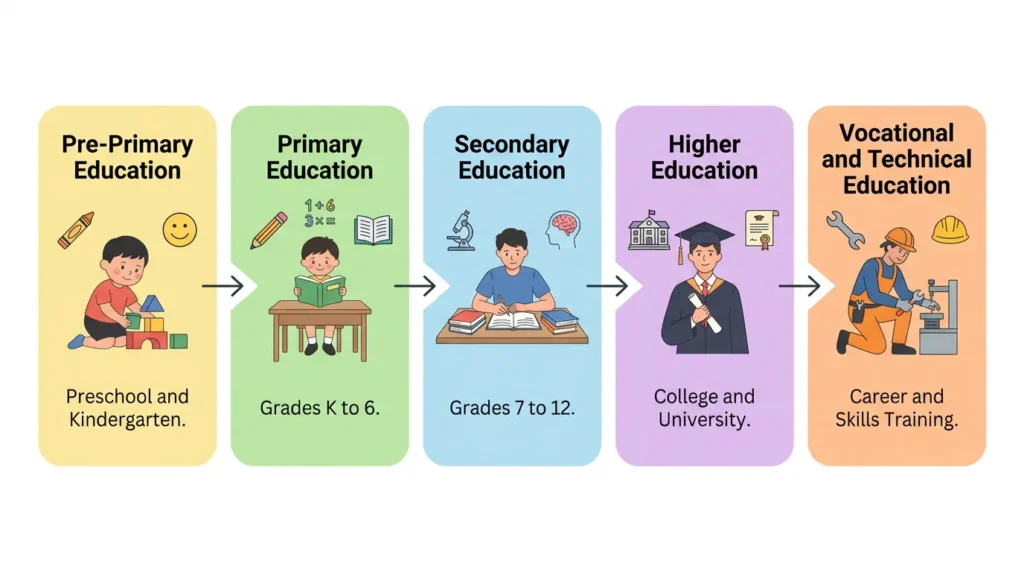
Formal education follows a structured progression that moves from early childhood through adulthood. In the United States and most countries, this progression is divided into clear stages, each with its own goals and methods.
Pre-Primary Education
Early childhood programs like preschool and kindergarten are the foundation of formal schooling. At this stage, the focus is on foundational social, emotional, and cognitive development. Children learn through play, exploration, and guided interaction. Research consistently shows that quality early childhood education has lifelong benefits for learning and development.
Primary Education (K to Grade 6)
Primary school introduces children to core academic subjects including reading, writing, mathematics, and science. This is where literacy and numeracy skills are established. It is also where children begin to develop study habits, social skills, and a foundational understanding of the world.
Secondary Education (Grades 7 to 12)
Secondary school deepens subject knowledge and develops critical thinking. Students take a broader range of subjects and begin to specialize in areas of interest. High school prepares students either for higher education or for entry into the workforce. It is also a period of significant social and emotional development.
Higher Education
Colleges and universities offer undergraduate and postgraduate programs leading to degrees and professional qualifications. Higher education prepares people for specialized careers and develops advanced academic and research skills. According to National University, 68% of jobs in the education sector now require at least a bachelor’s degree.
Vocational and Technical Education
Vocational and technical programs prepare students for specific careers through hands-on training and practical instruction. These programs are increasingly recognized as high-value pathways that lead to well-paying and fulfilling careers in fields such as healthcare, technology, construction, and manufacturing.
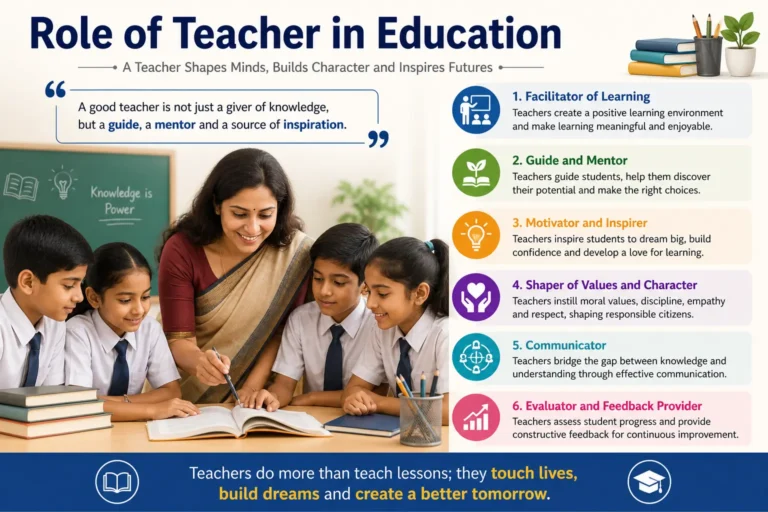
Each stage of formal education builds on the previous one. Teachers are the people who make this progression meaningful and effective. Learn more about what great teaching looks like in our article on the role of a teacher.
How Does Education Actually Happen? Teaching and Learning in Practice
Understanding what education is also means understanding how it works in practice. Education does not happen automatically. It requires thoughtful planning, skilled teaching, and active engagement from learners.
Teaching Methods and Approaches
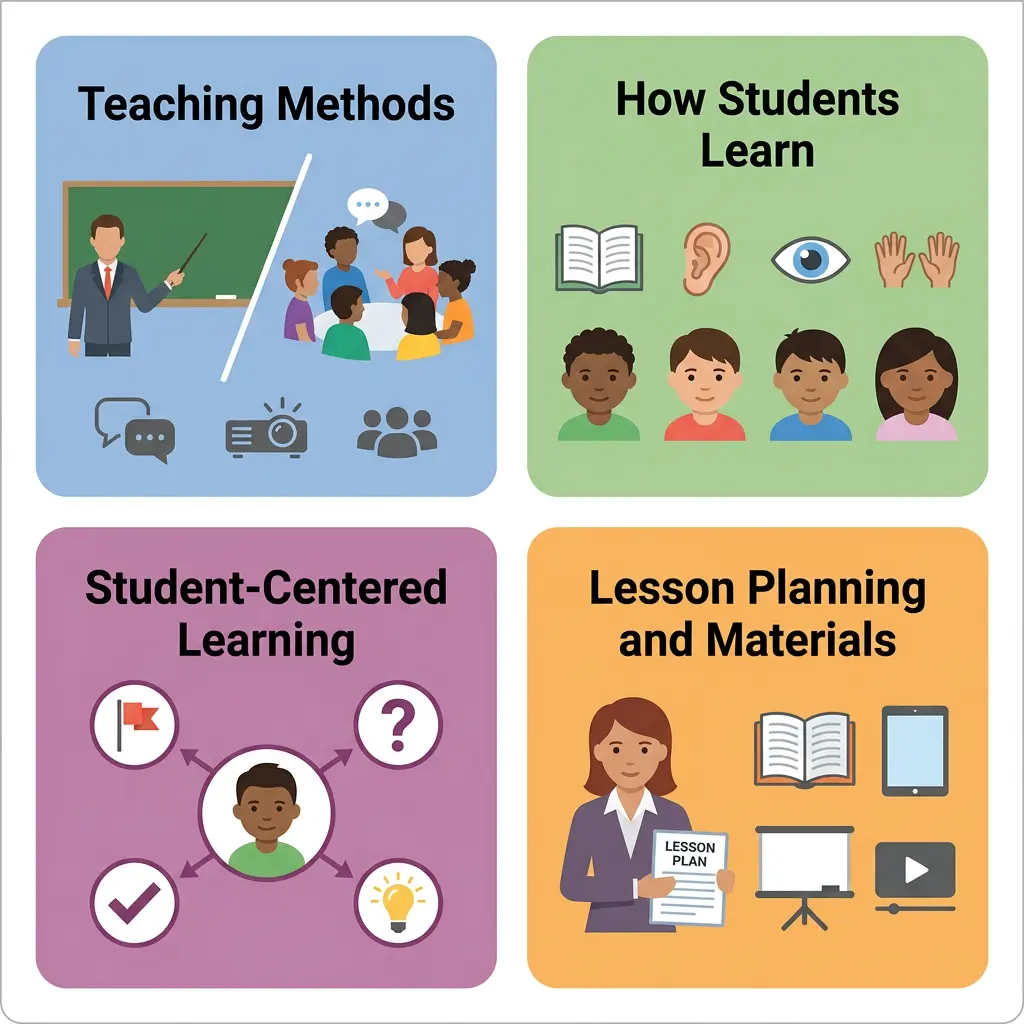
The way education is delivered has evolved significantly. Traditional models relied on direct instruction, where the teacher speaks and students listen and take notes. While direct instruction still has its place, modern education recognizes that different approaches work better for different learners and different subjects.
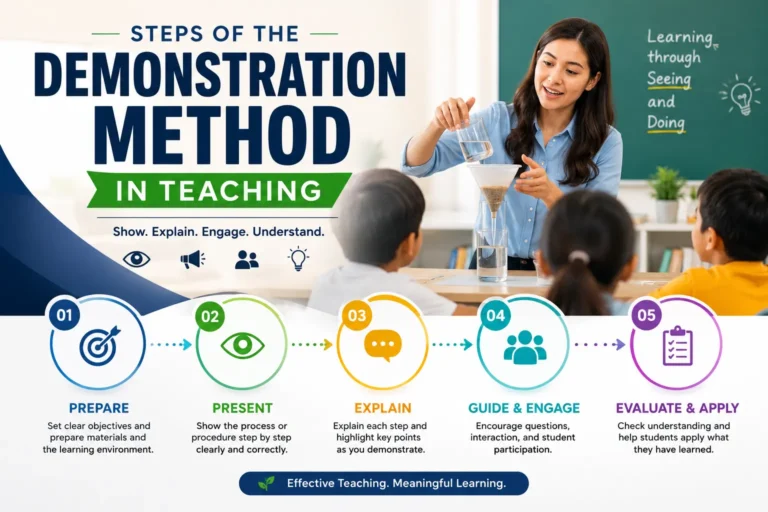
Discussion-based learning, for example, encourages students to think out loud, challenge ideas, and learn from each other. Explore how this works in practice in our guide on the discussion method of teaching.
Project-based learning asks students to solve real-world problems, which develops both academic skills and practical abilities at the same time. Collaborative learning puts students in groups to tackle challenges together, building both knowledge and social skills simultaneously.
Understanding How Students Learn
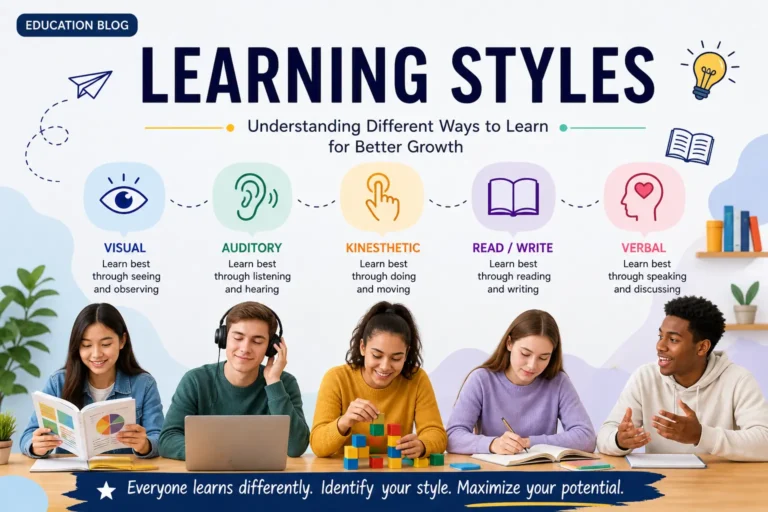
One of the most important insights in modern education is that students do not all learn in the same way. Some people learn best by reading and reflecting quietly. Others learn better by listening and discussing. Some need to see a visual diagram before a concept clicks. Others need to physically do something in order to truly understand it.
Recognizing and responding to these differences is central to effective teaching. Our detailed guide on learning styles explores how understanding the way a student learns can dramatically improve their educational outcomes.
Student-Centered Learning
Modern education is increasingly moving away from teacher-led instruction toward approaches that put the student at the center of the learning process. In a student-centered learning environment, students take an active role in their own education. They set goals, ask questions, pursue their own interests, and take responsibility for their progress.
This shift reflects a deeper understanding of how knowledge is actually built. People do not simply receive information passively and store it perfectly. They construct understanding actively by connecting new ideas to things they already know, by making mistakes and learning from them, and by applying knowledge in new situations.
The Role of Lesson Planning
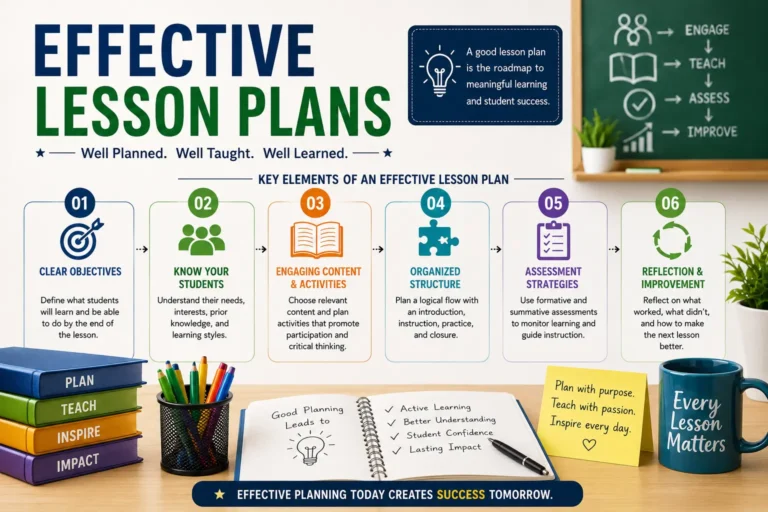
Good education does not happen by accident. It requires careful planning. A well-designed lesson connects learning goals to the right activities, uses appropriate materials, checks for understanding, and leaves room for different learners to engage in ways that work for them.
Our lesson planning guide walks through the key steps that teachers use to create effective and engaging learning experiences.
Teaching and Learning Materials
The tools that teachers and students use matter enormously. A well-chosen textbook, a carefully designed worksheet, a video, a model, or a digital simulation can make the difference between a concept that confuses and a concept that clicks.
In modern classrooms, teaching and learning materials include both traditional resources like books and charts and digital tools like educational apps, interactive whiteboards, and online databases. Choosing the right materials for the right purpose is a key skill for effective educators.
Education, Literacy, and Inclusion
Two concepts are deeply connected to what education means in the real world: literacy and inclusion. Both speak to the question of whether education is truly reaching everyone.
What Is Literacy and Why Does It Matter?
Literacy is one of the most fundamental outcomes of education. At its most basic level, literacy means the ability to read and write. But in the modern world, the definition of literacy has expanded. People now talk about digital literacy, media literacy, financial literacy, health literacy, and more. Each of these refers to the ability to understand, evaluate, and use information in a specific domain.
Literacy is both a product of education and a gateway to further learning. A person who cannot read and write is locked out of most of the formal knowledge that human civilization has accumulated. But a person who can read, write, and think critically has access to almost unlimited knowledge and opportunity.
UNESCO’s 2025 literacy data shows steady but uneven progress globally. While adult literacy rates have improved significantly over the past three decades, millions of adults in low-income regions still lack basic reading and writing skills. Our guide on what is literacy explores this topic in depth.
What Is Inclusive Education?
Inclusive education is the principle that all students, regardless of their background, ability, language, or learning needs, deserve access to quality education in a shared learning environment. Inclusive education rejects the idea that some students are too difficult, too different, or too far behind to be educated alongside their peers.
In practice, inclusive education means designing classrooms, curricula, and teaching approaches that can accommodate a wide range of learners. It means providing support for students with disabilities. It means creating environments where students from different cultural and linguistic backgrounds feel respected and can succeed.
Inclusive education benefits everyone, not just the students who need extra support. Research consistently shows that diverse classrooms, where students of different abilities and backgrounds learn together, produce better social and academic outcomes for all students.
Learn more about how schools can build truly inclusive environments in our comprehensive guide on inclusive education.
How Has Education Changed in the Modern World?
Education today looks very different from what it did even two decades ago. Several powerful forces are reshaping how, where, and when people learn. Understanding these changes helps us see where education is heading and what it might look like for future generations.
The Growth of Online Learning

The global online education market has grown at a remarkable pace. Research cited by Exploding Topics estimates the market is now valued at more than $319 billion. Millions of learners around the world now access courses, certifications, and even full degree programs entirely online, from their homes, workplaces, and mobile devices.
Online learning has dramatically expanded access to education. People who previously had no access to quality schools or universities because of geography, cost, or time constraints can now learn from world-class instructors. This has been especially transformative in developing countries and for adult learners who need to balance work and family commitments with their desire to keep learning.
Artificial Intelligence and Personalized Learning
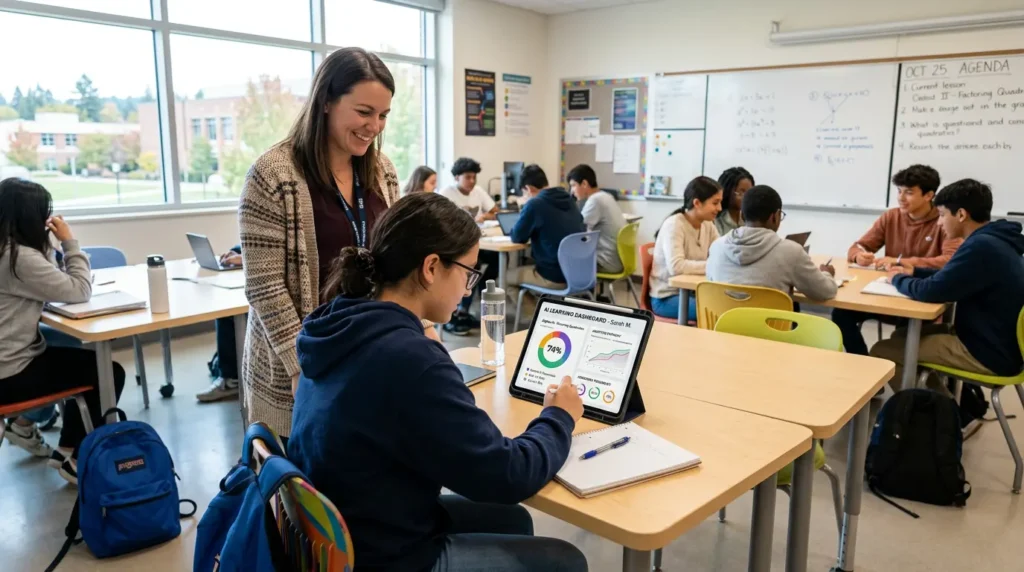
Artificial intelligence is beginning to change the learning experience in fundamental ways. AI-powered educational tools can adapt content to a student’s individual pace and learning style, identify specific gaps in their understanding, and suggest targeted resources to help them improve.
Edutopia’s review of the 10 most significant education studies of 2025 highlights the growing role of technology in helping students learn more effectively. Researchers found that personalized, technology-enhanced learning environments consistently produced better outcomes than one-size-fits-all instruction.
For educators and institutions, this raises both exciting possibilities and important questions. How do we ensure that AI tools are fair and unbiased? How do we maintain the human connection that is so central to effective teaching? These are questions that the education sector is actively working to answer.
To explore how technology is being applied in real classrooms, visit our resource on digital solutions in education.
The Rise of Lifelong Learning
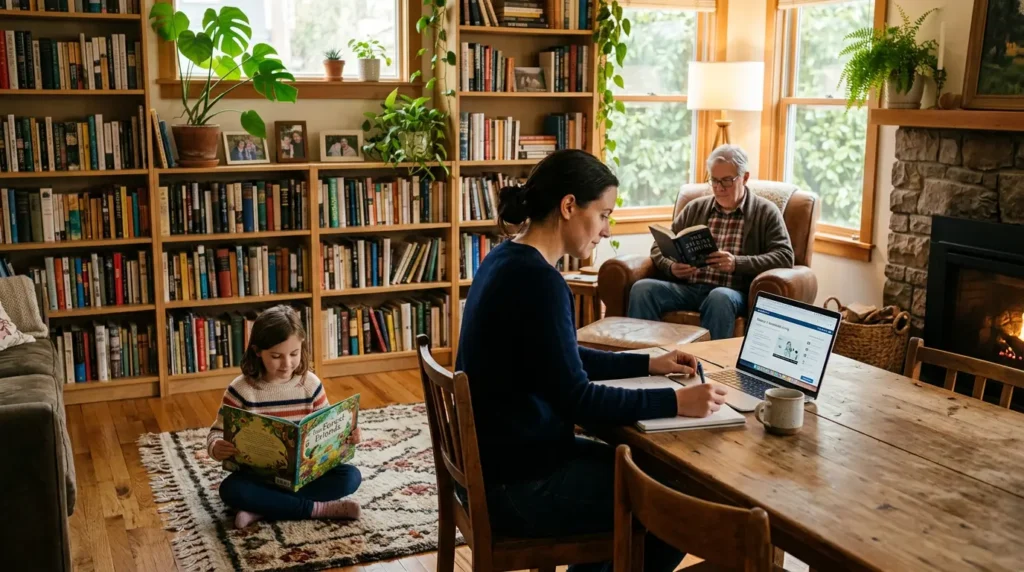
One of the most significant shifts in modern thinking about education is the move away from the idea that learning happens only in youth. The concept of lifelong learning holds that education is not something you complete and then leave behind. It is something you engage with continuously, throughout your entire life.
This shift is driven by the pace of change in the modern world. Technology, economies, and social structures are changing faster than ever before. The skills and knowledge that were sufficient for a career 20 years ago may not be sufficient today. Workers at every level are increasingly expected to keep learning, adapt to new tools and processes, and develop new capabilities throughout their careers.
Lifelong learning is not just about professional development. It is also about personal growth, civic engagement, and the sheer joy of discovering new things. Adults who continue learning tend to be healthier, more engaged, and more satisfied with their lives.
Student Learning Strategies That Actually Work
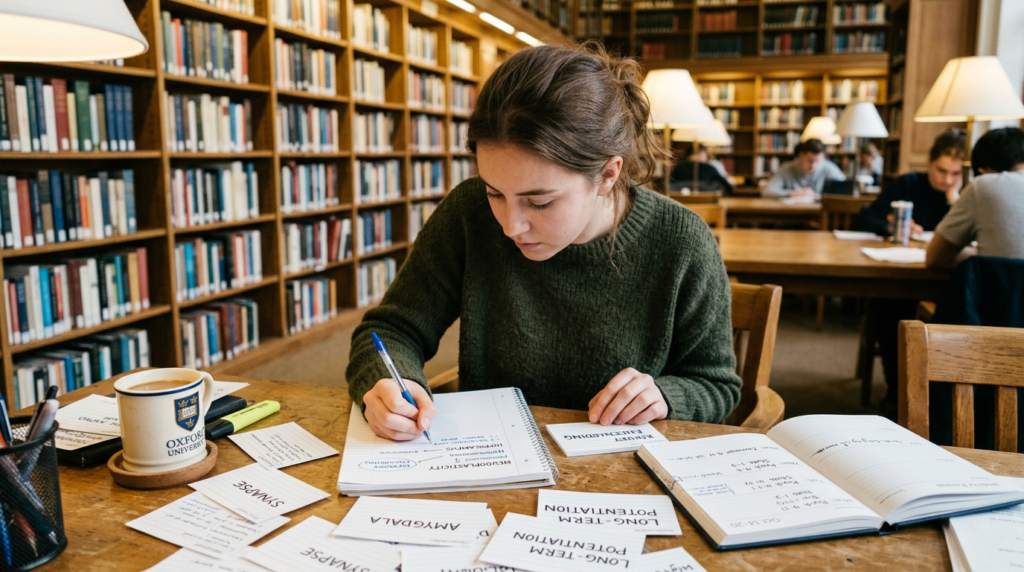
Modern education research has given us much better insight into which learning strategies actually produce long-term retention and understanding. Passive reading and highlighting, for example, are among the least effective study methods, despite being widely used. Active strategies like self-testing, spaced repetition, and teaching material to others are far more effective.
Students who understand their own learning process and choose their strategies intentionally tend to outperform those who simply put in more hours without reflecting on how they are studying. Our article on student learning strategies offers practical guidance for learners at every level.
Education Around the World: Key Facts and Data
Education is not experienced equally around the world. Here are some key facts and data points that help paint a picture of where global education stands today.
According to UNESCO’s World Education Statistics 2025, significant progress has been made in expanding access to primary education. Global primary school enrollment rates are now at historically high levels, with hundreds of millions of children attending school who would have had no access to formal education a generation ago.
The OECD Education at a Glance 2025 report shows that 40.7% of adults across OECD countries have completed tertiary education. This marks a significant increase from previous decades and reflects the growing recognition that higher levels of education are essential for participation in the modern economy.
However, serious disparities remain. Children in low-income countries are far less likely to complete secondary school than children in high-income countries. Girls in many parts of the world still face significant barriers to education, including poverty, early marriage, and cultural expectations. Children with disabilities are disproportionately excluded from quality educational opportunities.
The World Bank’s research shows that each additional year of schooling increases an individual’s earnings by approximately 8 to 10 percent. At the national level, closing educational gaps between different groups within a society leads to significant economic and social gains.
SDG 4, the United Nations Sustainable Development Goal for education, calls for inclusive and equitable quality education and the promotion of lifelong learning opportunities for all people by 2030. Meeting this goal requires significant and sustained investment from governments, international organizations, and communities around the world.
Education in the United States: An Overview
The United States has one of the largest and most complex education systems in the world. It serves more than 50 million students in public K-12 schools alone, plus millions more in private schools, charter schools, community colleges, and universities.
The US education system is highly decentralized. Unlike many other countries, where education is primarily managed by the national government, in the United States, education policy is largely set at the state and local level. This creates significant variation in school quality, curriculum, funding, and outcomes from one state to the next.
Higher education in the United States is globally recognized for its quality, particularly at the graduate and professional level. American universities consistently rank among the top institutions in the world and attract students from every country.
At the same time, the US education system faces serious challenges. Achievement gaps between students from different racial, ethnic, and socioeconomic backgrounds remain persistent. Student debt has reached crisis levels, with millions of Americans carrying debt from higher education that affects their financial wellbeing for decades. Access to high-quality early childhood education is still unequal, with children from lower-income families receiving significantly less preparation for kindergarten than their more affluent peers.
Addressing these challenges requires a clear and honest understanding of what education is, what it is for, and what it takes to deliver it effectively to every child, regardless of their background.
Keep Exploring the World of Education
Now that you have a thorough understanding of what education means, where it comes from, how it works, and why it matters, you are ready to go deeper into the specific topics that interest you most.
Education is a rich and endlessly fascinating subject. Whether you are a student trying to learn more effectively, a parent trying to support your child, a teacher looking to improve your practice, or simply a curious person who wants to understand the world better, there is always more to explore.
Education is one of the most important ideas in human history. Every advancement in science, medicine, art, and democracy has been built on the foundation of people learning from each other and passing that knowledge forward. The more clearly you understand what education is and what it is capable of, the better you can make the most of every learning opportunity in your own life.
Frequently Asked Questions About Education
How does education affect a person’s mental health?
Research shows a strong link between education and mental wellbeing. People with higher levels of education tend to report lower levels of stress, anxiety, and depression over their lifetimes. Education builds problem-solving skills, social connections, and a sense of purpose, all of which are protective factors for mental health. Schools that prioritize social-emotional learning alongside academic content produce students who are better equipped to handle life’s challenges.
What is the difference between curriculum and education?
A curriculum is the planned set of subjects, topics, and learning goals that a school or program uses to guide instruction. Education is the broader process of learning and development. The curriculum is one tool within formal education, but education itself encompasses much more, including the informal lessons learned through social interaction, personal experience, and the culture of a school community.
How does a teacher’s approach affect student learning?
The approach a teacher takes has a profound effect on how much and how deeply students learn. Teachers who create warm, structured, and intellectually stimulating environments consistently produce better outcomes than those who rely purely on lecture and repetition. Building trusting relationships with students, using varied teaching methods, giving meaningful feedback, and maintaining high expectations all make a measurable difference in student achievement.
What is the relationship between education and democracy?
Education and democracy are deeply connected. A functioning democracy depends on citizens who can read, evaluate information critically, understand complex issues, and participate in civic processes. Without widespread access to quality education, democratic participation becomes shallow and vulnerable to manipulation. Many political philosophers, including John Dewey, argued that public education is the foundation of a healthy democratic society.
How does informal education shape a child’s development?
Informal education begins the moment a child is born. Everything a child observes, hears, touches, and experiences in their home and community is part of their informal education. The values, language, habits, and attitudes a child picks up informally form the foundation upon which all formal learning is built. Parents, siblings, neighbors, and community members are all informal educators, whether they realize it or not.
What is the connection between education and social mobility?
Education is widely recognized as one of the most powerful pathways out of poverty. Children who receive a quality education have significantly better chances of escaping the economic circumstances they were born into, securing stable employment, and improving their quality of life. However, when access to quality education is unequal, it can also reinforce existing inequalities rather than reduce them. This is why equity in education, not just access to education, is so important.
What does it mean to be an educated person in the 21st century?
Being educated in the 21st century means more than knowing facts or holding a degree. It means being able to think critically, communicate clearly, collaborate effectively, and adapt to change. It means being digitally literate, globally aware, and emotionally intelligent. It means being a lifelong learner who is curious, humble enough to know what they do not know, and motivated to keep growing. The definition of an educated person has expanded as the demands of the modern world have grown more complex.