Lecture Method Benefits: Why It Still Works in Modern Classrooms

The lecture method benefits both educators and students by delivering structured content efficiently, fostering shared knowledge, and enabling teachers to model expert thinking. It works best when used strategically, especially for large groups or foundational topics. When combined with active learning techniques, it remains one of the most practical instructional delivery methods available today.
Introduction
Imagine you are a teacher standing in front of 60 students. You have one hour, a complex topic, and every student needs the same solid foundation before the next lesson. What teaching approach do you reach for first?
For most educators around the world, the answer is the lecture method.
The lecture method of teaching has been a core part of education for centuries. And yet, in recent years, many people have questioned whether it still has a place in modern classrooms. The good news is that research consistently confirms its value, especially when used at the right time and in the right way.
In this article, you will find a clear breakdown of the key lecture method benefits, when they apply most, and how teachers can use this instructional approach to get the best results.
What Is the Lecture Method of Teaching?
The lecture method is a form of direct instruction where a teacher delivers content to students in a structured, organized way. Information flows primarily from the teacher to the students, who listen, observe, and take notes.
It is one of the oldest and most widely used teaching strategies in the world. According to research published in the IJCRT journal, the lecture method “remains a cornerstone of educational instruction due to its efficiency, scalability, and ability to convey a large amount of information.”
While it is often described as teacher-centered, a well-planned lecture is far from passive. It can include questions, demonstrations, visual aids, and real-world examples that keep students actively engaged throughout the session.
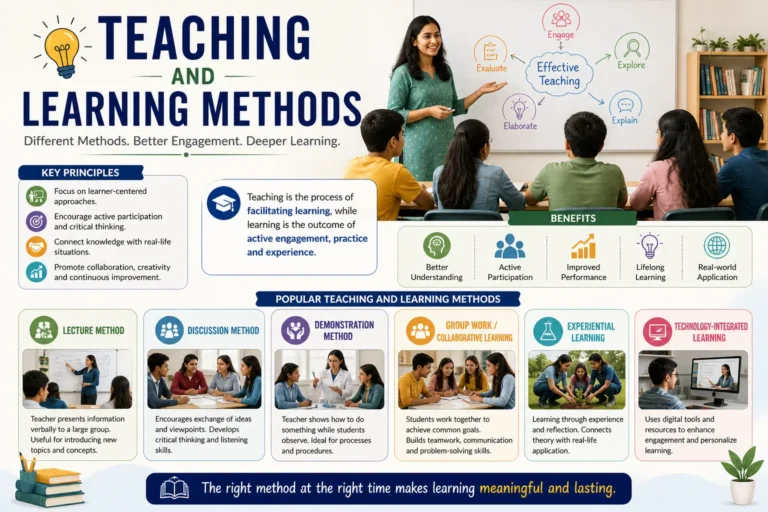
To explore how it compares with other classroom approaches, visit this overview of teaching and learning methods for a broader look at the full landscape of pedagogy.
What Are the Main Benefits of the Lecture Method?
The lecture method offers a range of benefits that make it a reliable choice for educators across grade levels and subjects. These benefits include efficient content delivery, scalability, teacher control over pacing, consistent information coverage, and the ability to build a strong knowledge foundation.
Each of these advantages is explored in detail below.
1. It Delivers Content Efficiently
One of the biggest lecture method benefits is how quickly it can move through material. A skilled teacher can cover a full topic, connect related ideas, and highlight key points, all within a single class session.
This is especially useful in subjects like history, science, or law, where students need a large amount of background knowledge before they can work independently. According to Baylor University’s Academy for Teaching and Learning, lectures can “efficiently disseminate foundational knowledge” in a way that is hard to match with other methods.
When time is limited and the curriculum is dense, the lecture method is often the most practical option available.
2. It Works for Large Groups
The lecture method scales in a way that few other instructional approaches can match. One teacher can deliver the same lesson to 30 students or 300 students without needing additional staff, materials, or resources.
This makes it a cost-effective teaching method, particularly in universities, community colleges, and large secondary schools where classroom sizes are often high.
Large group instruction also means that every student in the room receives the same information at the same time, which helps reduce the learning gaps that can develop when students work at different paces in unsupervised group activities.
3. Teachers Control the Pace and Structure
In the lecture method, the teacher decides what to cover, in what order, and how much time to spend on each concept. This level of control over content sequence and pacing is a significant advantage.
It allows the teacher to slow down when students look confused, speed up when a concept is clearly understood, and adjust the depth of explanation based on the class’s response. According to educational research, this control means teachers can align content directly with learning objectives and manage cognitive load more carefully.
For exam preparation, this structure is especially valuable. Teachers preparing students for standardized tests, such as UGC-NET or B.Ed. assessments, can ensure that every required topic is covered in the correct order and with the right level of emphasis.
4. It Builds a Shared Knowledge Foundation
Before students can discuss, debate, or apply knowledge, they need a common base to work from. The lecture method is one of the most effective ways to build that shared foundation quickly.
When every student hears the same explanation from the same teacher at the same time, it creates a consistent starting point for all future learning. This is particularly important before group projects, class discussions, or laboratory sessions, where students need to arrive with the same core understanding.
Research supports this function. Studies show that lecture helps students encode new information before moving on to more complex or applied tasks. It prepares the ground so that active learning activities are more productive and focused.
5. Teachers Can Model Expert Thinking
One underappreciated advantage of the lecture method is the opportunity it gives teachers to demonstrate how an expert thinks through a problem.
Rather than simply presenting facts, a skilled lecturer walks students through the reasoning process. They show how to analyze evidence, weigh competing ideas, and arrive at well-supported conclusions. Baylor University’s teaching research notes that “lecturers can model how professionals work through disciplinary questions or problems,” which is a form of cognitive modelling that students cannot get from a textbook alone.
For example, a literature teacher might think aloud while analyzing a poem, showing students the interpretive process in real time. A law lecturer might reason through a case step by step, demonstrating legal thinking at work. This kind of expert modeling is one of the most powerful, yet often overlooked, lecture method benefits.
6. It Supports Low-Anxiety Learning
Not all students learn best in high-pressure, performance-based environments. For introverted learners, students new to a subject, or those who struggle with confidence, lectures offer a low-stakes space to absorb information without fear of being put on the spot.
In a lecture setting, students can listen, observe, and take notes at their own mental pace. There is no pressure to perform publicly unless the teacher chooses to invite participation. The Baylor Academy for Teaching and Learning notes that “lectures make students feel comfortable,” which contributes to a more open and receptive learning environment.
This psychological safety is important. When students feel less anxious, they tend to absorb information more effectively and are more willing to ask questions when they arise.
7. It Integrates Multimedia and Visual Aids Easily
The lecture method is highly flexible when it comes to incorporating different types of media. Teachers can use slides, diagrams, videos, whiteboards, and live demonstrations all within a single lecture session.
This flexibility allows the teacher to cater to different learning styles within the same lesson. A visual learner benefits from a well-designed diagram. An auditory learner absorbs the spoken explanation. A student who processes information more slowly benefits from the slide notes they can review later.
The ability to layer different formats of information within one structured session is one of the practical strengths of the lecture teaching method. It does not replace other approaches, but it can incorporate them naturally.
8. It Is Cost-Effective and Easy to Implement
Compared to many modern or innovative teaching methods, the lecture method requires minimal setup. A teacher, a classroom, and a topic are often all that is needed to begin.
There are no lab kits to prepare, no digital platforms to manage, and no group activity logistics to coordinate. Research from Conscientia Beam confirms that “of all the teaching strategies available, lecture makes less demand on the user than modern or innovative methods.”
This accessibility makes the lecture method particularly valuable in schools or institutions with limited resources. It ensures that high-quality knowledge transfer can happen regardless of budget constraints or technological infrastructure.
9. It Produces Measurable Learning Outcomes
Despite criticism that the lecture method leads to passive learning, the research tells a more nuanced story.
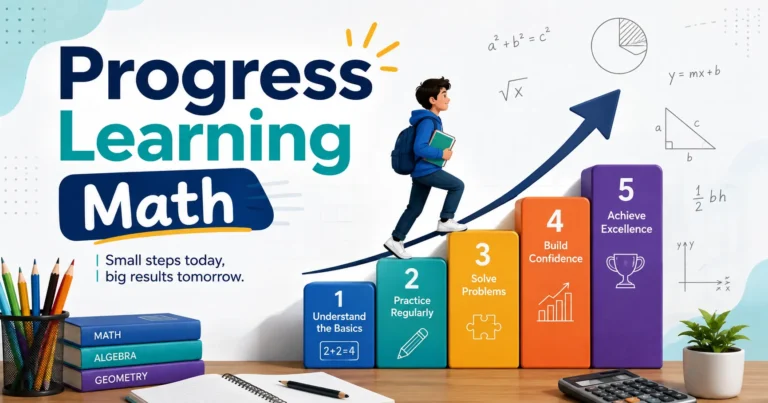
A peer-reviewed study published in PMC found that “learning scores and retention rates in the lecture method were more effective in nursing students than problem-based learning.” A separate 2024 study in the BWJournal examining senior secondary school students in Mathematics found a statistically significant improvement in academic achievement among students taught using the lecture method, with a t-value of 2.784 at a significance level of p < .05.
These findings do not mean lecture is always superior. But they do confirm that when the lecture method is used well, it delivers real, measurable educational outcomes.
When Do the Lecture Method Benefits Apply Most?
The lecture method is not one-size-fits-all. Its benefits are strongest in specific situations. Here are three contexts where it works especially well:
- Introducing a new concept: When students have no prior knowledge of a topic, a clear, structured lecture gives them the framework they need before exploring further.
- Teaching large classes: When a teacher is responsible for a large group of students, the scalability of the lecture method makes it the most logical and practical choice.
- Time-constrained curriculum delivery: When there is a lot of content to cover in a limited period, direct instruction through lecture is the most efficient path to full coverage.
Understanding when to apply this teaching style helps teachers use it strategically rather than reflexively. The key is knowing which situations call for direct instruction and which call for more interactive or student-led approaches.
How Can Teachers Maximize the Benefits of the Lecture Method?
Using the lecture method well requires more than just speaking to a class. Here are five evidence-based practices that help teachers get the most from this instructional method:
- Chunk the content: Break the lecture into smaller segments of 10 to 15 minutes each. Follow each chunk with a brief question, pause, or reflection activity before moving on.
- Use visual tools: Slides, diagrams, and whiteboards help students process information in different ways and keep attention from drifting.
- Invite questions throughout: Instead of saving questions for the end, pause regularly and ask, “What questions do you have?” This invites participation and checks understanding in real time.
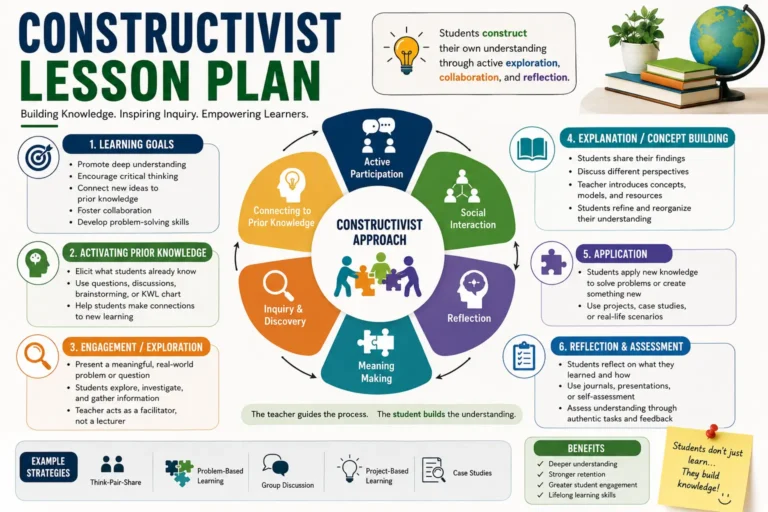
- Combine with active learning: The most effective classrooms integrate lecture with active tasks. A 20-minute lecture followed by a paired discussion or short problem-solving activity reinforces the content deeply.
- Use real-world examples: Connecting abstract concepts to real situations makes the content more memorable and relevant for students.
These strategies do not change the core structure of the lecture method. They simply make it more engaging, interactive, and effective.
For a deeper look at how the lecture method is structured and taught, the dedicated lecture method page covers the full picture, from types and characteristics to practical classroom applications.
A Balanced View: Benefits and Limitations
The lecture method has genuine strengths, but it also has limitations worth acknowledging. A balanced understanding helps teachers use it more effectively.
| Lecture Method Benefits | Known Limitations |
| Efficient for large groups | Limited two-way interaction |
| Teacher controls content and pace | Student attention can drift after 15-20 minutes |
| Builds shared knowledge foundation | Does not suit all learning styles |
| Supports note-taking and retention | Risk of passive participation if unstructured |
| Easy to integrate multimedia | Less effective for developing applied skills alone |
The goal is not to replace the lecture method but to use it wisely. Research from Frontiers in Education (2024) highlights that combining lecture with cooperative learning strategies can produce stronger outcomes than either method used alone.
Teachers who pair the explanation method with lecture often find that students retain information longer and engage more deeply with the material. The explanation method of teaching is one example of a complementary approach that works well alongside structured lectures.
Similarly, the description method in teaching provides another teacher-led technique that can be blended naturally into lecture sessions to add clarity and depth.
Why the Lecture Method Still Matters in 2026
It would be easy to assume that with the rise of project-based learning, flipped classrooms, and digital education platforms, the lecture method has become outdated. The evidence says otherwise.
Research published in 2024 and 2026 continues to confirm that lecture-based instruction produces strong results for knowledge acquisition, especially at the foundational level. The key shift in modern pedagogy is not the removal of lecture but the enhancement of it. Active lecture, which integrates pauses, questions, and brief activities within a structured delivery, is gaining wide acceptance in higher education as a best-of-both-worlds approach.
The lecture method is not a relic. It is a reliable, research-backed tool that, when used with intention and skill, continues to support effective teaching and learning across all levels of education.
Final Thoughts
The lecture method benefits educators and students in more ways than many people realize. From delivering content efficiently to modeling expert reasoning, building shared knowledge, and supporting students who need a structured, low-pressure environment to learn, it remains one of the most practical and accessible teaching strategies available.
The evidence is clear: when used strategically, the lecture method works.
Whether you are a classroom teacher, a curriculum designer, or a student studying pedagogy, understanding the strengths of this instructional approach will help you apply it more confidently and effectively.
Ready to explore more classroom strategies? Browse the full guide to teaching and learning methods to discover how different instructional approaches can work together in your classroom.