Aims of Education: Meaning, Types, Importance, and 21st-Century Goals
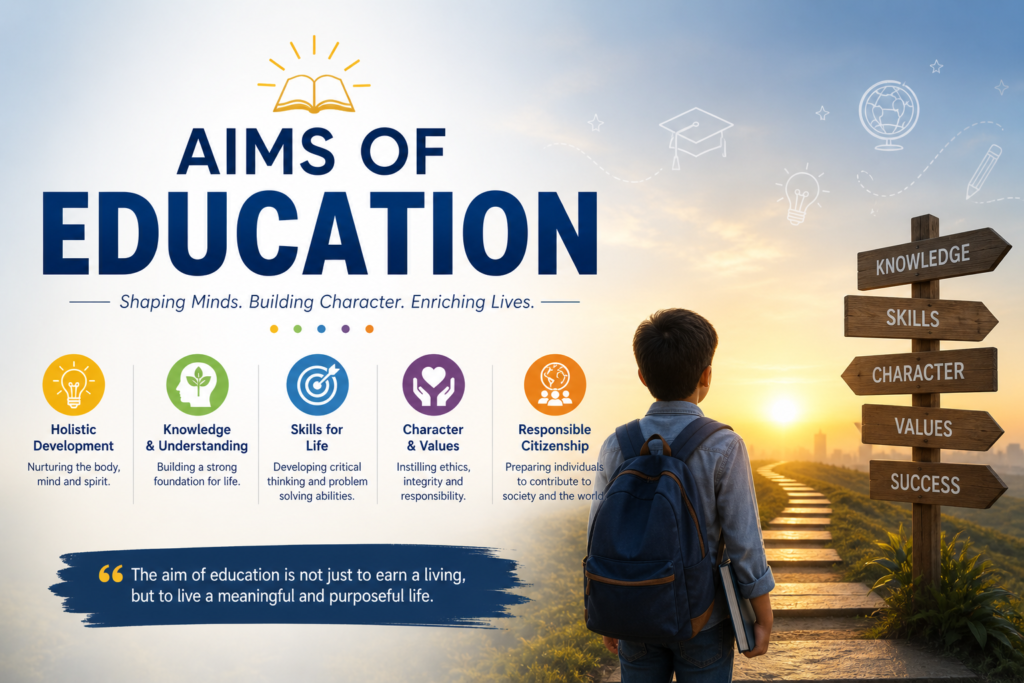
The aims of education are the broad, long-term goals that guide the entire learning process. They go beyond passing exams to include personal development, social responsibility, vocational preparation, and character building. Educators, curriculum designers, and policymakers use these aims to shape what schools teach and why. The five main types are individual, social, vocational, national, and comprehensive aims.
Introduction
What is school actually trying to achieve? Most people think of grades, degrees, and jobs. But education has always aimed for something much bigger than that. The aims of education define the real purpose behind every lesson, every curriculum decision, and every school policy. They answer a simple but powerful question: what should education do for a person and for society?
In this guide, you will learn what the aims of education mean, the five main types, why they matter, what philosophers have said about them, and how these aims are changing in today’s digital world. Whether you are a student, teacher, or parent, understanding these aims gives you a clearer picture of why learning matters.
What Are the Aims of Education?
The aims of education are the broad, long-term intended outcomes of the entire educational process. They describe what education is ultimately working toward across a lifetime of learning, not just within a single lesson or school year.
According to UNESCO, education aims to develop individuals intellectually, morally, and socially, preparing them to lead productive lives, contribute positively to society, and achieve their full potential.
Think of educational aims as the compass of any education system. They tell teachers, schools, and governments which direction to move in. Without clear aims, education loses its sense of purpose and direction.
Key characteristics of aims of education:
- They are broad and long-term, not narrow or short-term
- They guide curriculum design, teaching methods, and school policies
- They apply to the whole person, not just academic knowledge
- They reflect the values of a society, culture, or philosophy
What Is the Difference Between Aims and Objectives of Education?
Many people use “aims” and “objectives” as if they mean the same thing. They do not.
Aims are wide, long-term statements about what education is ultimately for. For example, “developing responsible citizens” is an aim. Objectives are specific, measurable steps taken to reach those aims. For example, “students will be able to identify three causes of a historical event by the end of the term” is an objective.
Aims set the big picture. Objectives define the path.
| Feature | Aims | Objectives |
| Scope | Broad and general | Narrow and specific |
| Time Frame | Long-term (years or lifelong) | Short-term (lesson, term, unit) |
| Measurability | Difficult to measure directly | Observable and measurable |
| Purpose | Sets the direction of education | Describes exact learning steps |
| Example | Develop moral character | Students will define honesty in three ways |
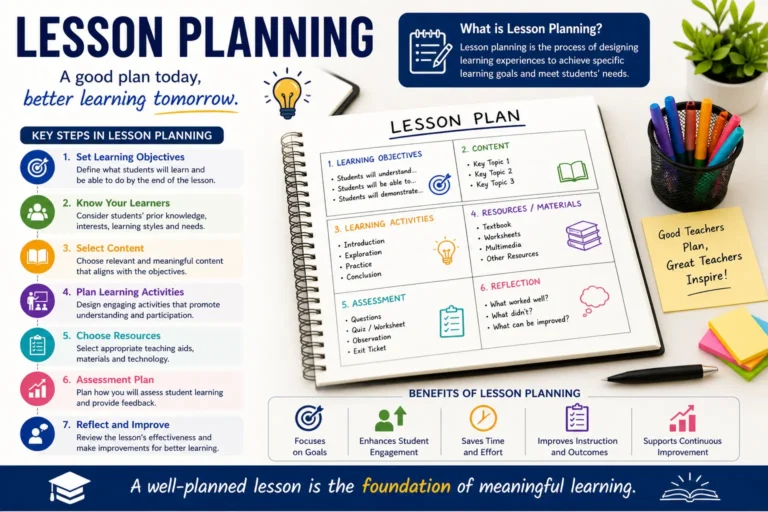
Understanding this difference helps teachers plan lessons that connect daily classroom work to the bigger goals of education. It also helps parents see how each subject a child learns fits into a larger purpose.
What Are the 5 Types of Aims of Education?
The five types of aims of education reflect different priorities. Each type focuses on a different aspect of human development and social life. Most education systems use a blend of all five.
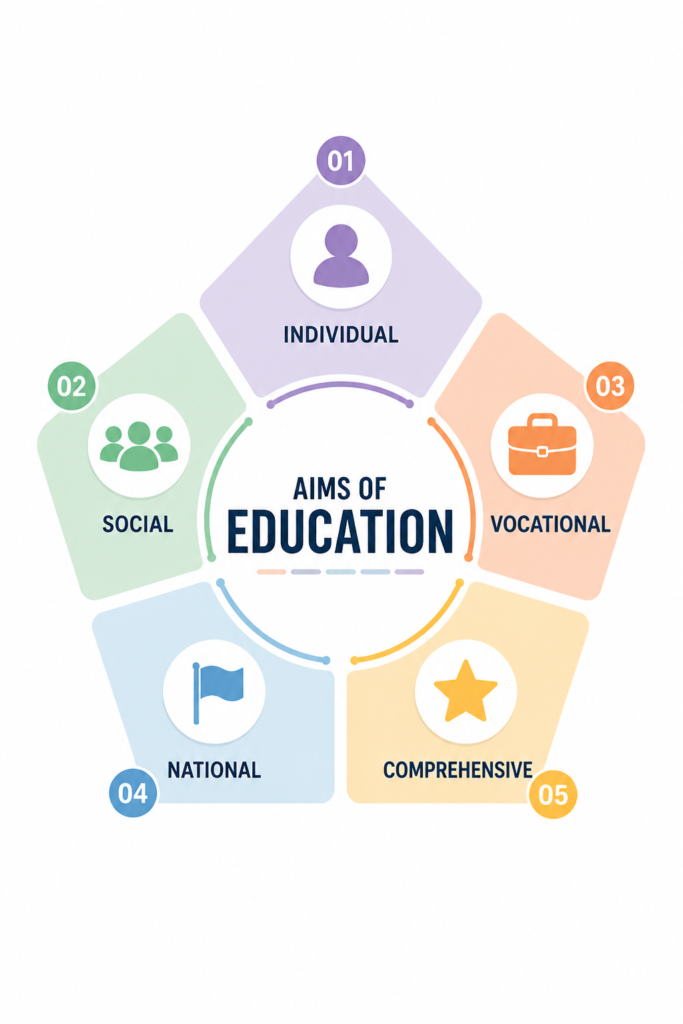
Individual Aim of Education
The individual aim focuses on personal growth and self-development. It holds that every student has unique talents, abilities, and potential. Education should help each person discover and grow those qualities.
This aim is connected to the idea of self-actualization, a concept rooted in humanistic psychology. It supports the development of critical thinking, confidence, creativity, and emotional intelligence. When education follows the individual aim, it treats each learner as a whole person, not just a student who must pass tests.
Social Aim of Education
The social aim holds that education must prepare people to live and work together in society. It focuses on civic responsibility, cooperation, tolerance, and cultural values.
Through the social aim, schools teach students how to respect different viewpoints, take part in their communities, and care about the well-being of others. This aim is the reason schools include subjects like social studies, civic education, and ethics. Education that follows the social aim builds strong, peaceful, and inclusive communities.
Vocational Aim of Education
The vocational aim focuses on preparing students for the world of work. It recognizes that people need practical skills to earn a living and support themselves and their families.
This aim is one of the oldest in education. It drives the inclusion of science, mathematics, technology, and trade subjects in school curricula. Vocational training programs, apprenticeships, and career guidance all reflect this aim. According to the United Nations, providing access to affordable vocational training is a key education goal for 2030.
National Aim of Education
The national aim focuses on building national unity, patriotism, and democratic values. Education systems around the world use this aim to strengthen a shared sense of identity and purpose among citizens.
This aim leads to the inclusion of national history, civic education, and values-based learning in school programs. It connects education to the stability and progress of the nation itself.
Comprehensive Aim of Education
The comprehensive aim, also known as the complete aim, brings all other aims together. It holds that education must develop the whole person: mind, body, character, social skills, and vocational abilities.
As Pestalozzi described it, education is the harmonious development of the head, heart, and hand. Mahatma Gandhi also emphasized the development of body, mind, and spirit as the full aim of education. This aim rejects a narrow focus on any one area and instead supports balanced, all-round development.
Why Are the Aims of Education Important?
Clear aims give education its direction and purpose. Without them, schools would simply teach subjects with no larger reason for doing so. The importance of aims of education shows up in four key ways:
- They guide curriculum planning. When an education system has clear aims, curriculum designers know which subjects, skills, and values to include. A social aim leads to civics content. A vocational aim leads to technical and practical subjects. Explore how this works in our guide on curriculum planning.
- They motivate students and teachers. When learners understand why they are studying something, they engage more deeply. A student who sees how mathematics connects to future goals is more motivated than one who sees no purpose in the lesson.
- They help teachers design better lessons. Teachers who understand the broader aims of education can plan lessons that develop skills, values, and knowledge at the same time, not just deliver content.
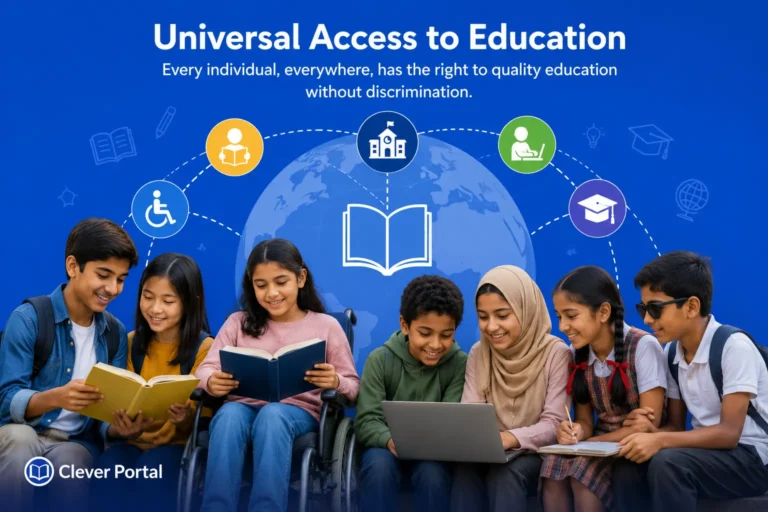
- They shape educational policy. Governments use educational aims to decide how to spend money, write curriculum standards, and set national goals. The UN Sustainable Development Goal 4 (Quality Education) is built on a clear aim: providing inclusive and equitable quality education for all by 2030.
What Are the Key Aims of Education According to Philosophers?
Long before national curriculum frameworks existed, philosophers were asking the most important question in education: what is it for? Their answers still shape education systems today.
Aristotle
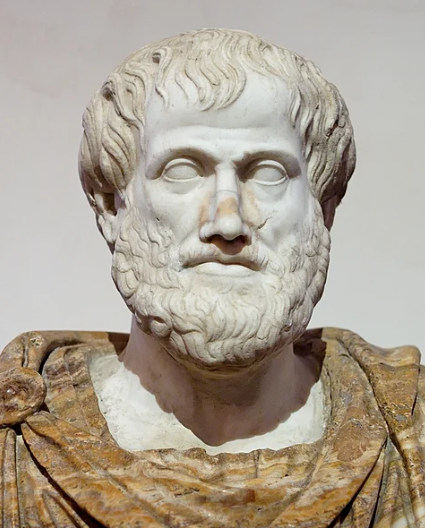
Aristotle believed the aim of education is to develop virtue and practical wisdom. He argued that education should help people live a good life by learning how to reason, act ethically, and contribute to their community. He valued both intellectual and moral development equally.
John Dewey
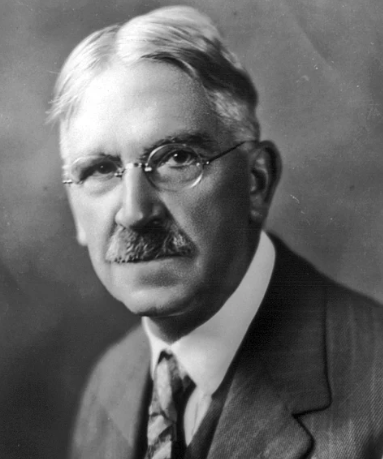
John Dewey, one of the most influential thinkers in modern education, believed the aim of education is not preparation for future life but participation in life itself. He argued that schools should develop democratic values, social cooperation, and problem-solving skills through real experience, not passive memorization.
Dewey’s ideas are the foundation of student-centered learning and constructivism, both of which are widely used in classrooms today.
Jean-Jacques Rousseau
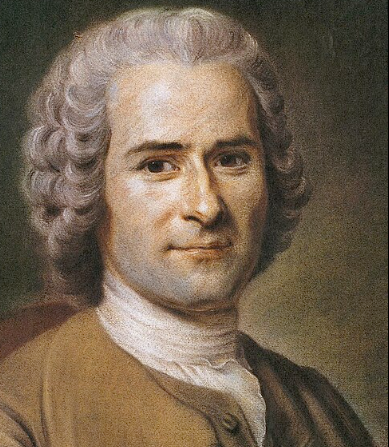
Rousseau believed in the naturalism school of thought. He argued that the aim of education is to allow children to develop according to their natural instincts and curiosity. He opposed rigid, authoritarian education and preferred child-led discovery.
Idealist Philosophers (Hegel and Others)
Idealist philosophers believed education should develop self-realization, moral values, spiritual growth, and cultural transmission. They saw education as a path to the highest human development. These ideas directly influence character education programs used in schools worldwide.
What Are the 8 Key Aims Every Education System Should Pursue?
While philosophers offer broad frameworks, practical education systems need specific aims they can act on. These eight key aims reflect what education should work toward in every student:
- Personal development. Education should help each student grow as an individual, building confidence, identity, and self-awareness.
- Knowledge and skills. Passing on accumulated knowledge is described by scholars as the epistemic aim of education. Students need facts, concepts, and practical abilities to function in the world.
- Career preparation. Schools should equip students with skills relevant to the working world, from literacy and numeracy to technical and digital skills.
- Learning capabilities. Education should teach students how to learn, not just what to learn. Critical thinking, research skills, and adaptability are essential outcomes.
- Character development. Building honesty, integrity, empathy, and responsibility is a core aim of any ethical education system. This connects directly to what idealist philosophers described as moral development.
- Lifelong learning. UNESCO identifies lifelong learning as a central pillar of quality education. Students should leave school with the habit and ability to keep learning throughout their lives.
- Social responsibility. Education should develop civic responsibility and a genuine desire to contribute to the well-being of others and the broader society.
- Decision-making. Students should graduate with the ability to gather information, evaluate options, and make responsible, informed decisions in their personal and professional lives.
These eight aims work together. An education system that develops all eight produces graduates who are capable, thoughtful, and ready to contribute.
How Are the Aims of Education Evolving in the 21st Century?
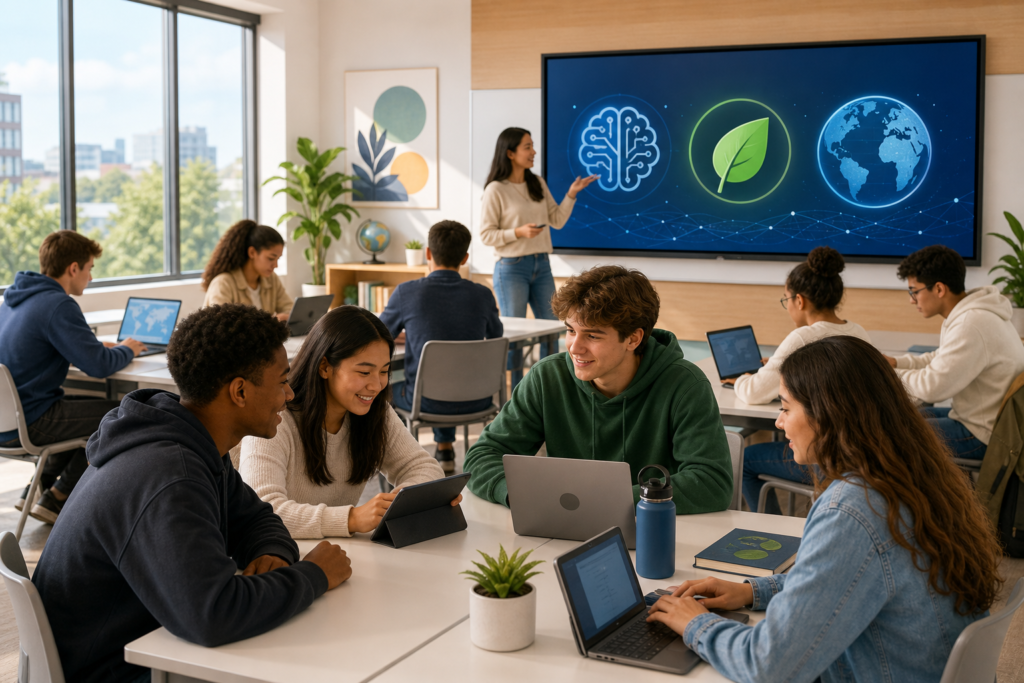
Traditional educational aims focused mainly on knowledge, civic values, and vocational skills. In today’s world, those aims are still important, but they are no longer enough on their own.
The rapid growth of technology, artificial intelligence, and global challenges has added new dimensions to what education must achieve.
Modern 21st-century aims now include:
- Digital literacy. Students need to understand how to use, evaluate, and create digital content responsibly. This is now as important as reading and writing.
- AI fluency. The rise of artificial intelligence in workplaces means students must understand what AI tools do, how to use them ethically, and how to think critically about AI-generated information. Edutopia’s 2025 education research highlights AI literacy as one of the most significant emerging areas in education.
- Environmental awareness. Sustainable development is now a stated goal of global education. The UN’s Sustainable Development Goal 4 links quality education directly to sustainability, environmental responsibility, and global citizenship.
- Global citizenship. Students today live in a connected world. Education must develop cross-cultural understanding, empathy for people from different backgrounds, and a sense of shared global responsibility.
These new aims do not replace the five traditional types. Instead, they build on top of them. A student who develops individual, social, vocational, national, and comprehensive aims, and who also has digital literacy and global awareness, is truly equipped for life in the modern world.
Bringing It All Together
The aims of education are not just abstract ideas for philosophers and policymakers. They shape everything that happens in a classroom, from the subjects on the timetable to the way a teacher speaks to a student.
When education follows clear aims, it builds more than knowledge. It builds character, capability, and community. Whether you are a student trying to understand why school matters, a teacher designing a lesson plan, or a parent thinking about your child’s future, these aims are the foundation beneath every learning experience.
Understanding the aims of education gives context to everything that happens in a school. Explore our related guides to go deeper into the building blocks of educational philosophy, including philosophy of education, objectives of education, and the importance of education.